
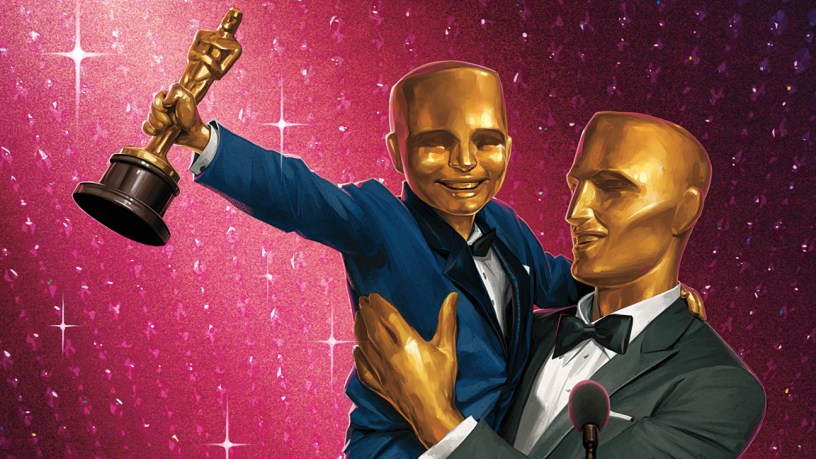
The history of a former Oscar, who won it and what happened to the careers of those winners in the following years…
The Academy Awards, more commonly known as the Oscars, are still seen as the climax of the annual awards season despite an increasing lack of public interest, declining viewing figures and the fresh controversy surrounding each new set of nominations. The overly-white acting nominations and the overly-male directing nominations are the controversies and criticisms that never cease when it comes to the Academy Awards and the perceived issues that exist within it. One of the many calls for change with the Oscars is the call for new awards.
At this present time, the Academy for Motion Picture Arts and Sciences hand out 24 Oscar statuettes each year, a marked increase from the 13 handed out at the first five Oscars ceremonies between 1927 and 1931. The current awards cover much of the film industry, including acting, directing, production, effects, animation, music, writing and editing. However, there are still calls for more awards, with the feeling that the Academy is still overlooking certain areas of the industry. The highest-profile award handed out by the Screen Actors Guild is for ‘Outstanding Performance By An Ensemble In A Motion Picture’. In 2020, BAFTA added the award for Best Casting to its list of film awards, the first new BAFTA since the awards for Rising Star and Animated Film in 2006.
In 2001, the Academy introduced the award for Best Animated Feature, a prize that Shrek would win in its inaugural year. However, 20 years have now passed since the Oscars ceremony included a new award, with the awards for Sound Mixing and Sound Editing combined into one single award starting in 2020. Awards for casting and stunt co-ordination have been shot down by the Academy. A proposed award for the Best Popular Film, set to be introduced in 2019, would eventually be scrapped following much criticism from people who thought that the award was an attempt to improve diminishing television ratings and pander to a more mainstream audience.
Across its 94-year history, the Academy for Motion Picture Arts and Sciences has given out Oscars in 37 different categories. Of course, not all of these awards have managed to last the test of time. Five categories would not survive past the first Oscars ceremony in 1928. The prizes for the best Engineering Effects and Title Writing would be deemed surplus to requirements come 1929. The separate Best Director awards for comedy and drama, and the awards for Outstanding Picture and Best Unique and Artistic Picture, would be combined into single Best Director and Best Picture awards. Best Live Action Short Film once existed as separate awards depending on whether the short subject was a comedy or novelty or whether the film lasted one or two reels. You are also unlikely to see dance choreographers or assistant directors see their efforts credited with a golden statuette following the cancellation of those awards in 1937.
Throughout its history, the Academy has also issued special awards celebrating particular people and groups for their work both inside and outside the motion picture industry. These awards, including the Academy Honorary Award, the Irving G Thalberg Memorial Award (for producers) and the Jean Hersholt Humanitarian Award, are voted upon by special committees, compared to the regular Academy Awards voted upon by all Academy members. The Academy has given out ten different awards of this kind across the Oscars ceremony’s history, with none issued on an entirely annual basis.
Of these ten special awards, the Academy has only discontinued one: the Academy Juvenile Award. On ten different occasions between 1935 and 1961, the Academy would present a 7-inch golden statuette to the best young actor in Hollywood to celebrate their work over the previous twelve months. Why was the award introduced? Who were the lucky recipients of this prestigious honour, and why was the award discontinued following the 1961 Oscars ceremony? This article will answer these questions as Forgotten Media looks at the rise and fall of the Academy Juvenile Award.
At the 4th Academy Awards in 1931, Lionel Barrymore would take home the Best Actor Oscar for his leading role as defence lawyer Stephen Ashe in the drama A Free Soul. Among his fellow nominees was Richard Dix for Cimarron, Adolphe Menjou in the Howard Hughes-produced adaptation of The Front Page, Fredric March for The Royal Family of Broadway, and Jackie Cooper in Skippy. While Barrymore (58), Menjou (41), Dix (38) and March (34) were all experienced actors, Jackie Cooper had earned an Oscar nomination for his motion picture debut. Cooper had previously appeared in 1929’s Fox’s Movietone Follies and Sunny Side Up. However, the leading role of Skippy Skinner in the Paramount Pictures comedy directed by Norman Taurog would earn Cooper his first film credit. In addition to all that, Jackie Cooper was nine years old when he received the good news from the Academy. Cooper’s young age made him the youngest nominee in the show’s short history.
Little did the Academy know that a further fifty years would pass before Cooper’s record would pass to eight-year-old Justin Henry for his supporting role in the 1979 classic legal drama Kramer vs Kramer. While Jackie Cooper would not become the youngest Oscar winner in history, he would act in 55 films over the next 56 years, including 29 before his 18th birthday. Most notably, he would appear as Daily Planet editor Perry White in four Superman movies between 1978 and 1987, all of which starred Christopher Reeve in the title role.
The next news-worthy Oscar nomination of this kind would not occur until 1936, when 14-year-old Bonita Granville would earn recognition at the 9th Academy Awards for her supporting role in These Three, before losing to Gale Sondegaard on the night. However, by the time this Oscars ceremony rolled around, the Academy for Motion Picture Arts and Sciences had decided to add a special award to proceedings to recognise Hollywood’s younger crop of actors.
With nominations for child actors proving rare and unsuccessful, members of the Academy believed that younger actors could be at a disadvantage compared to their older counterparts within the same awards nomination brackets. Due to their age, it was less likely that Academy voters would choose a child actor to win an award over a more experienced adult actor. In the entire 94-year history of the Academy Awards, just three out of 372 winners in the four acting categories have been under the age of 18; Patty Duke in 1962 (16 years 115 days), Tatum O’Neal in 1973 (10 years, 148 days) and Anna Paquin in 1992 (11 years, 240 days). It is also notable that all of these wins came in the Best Supporting Actress category. Meanwhile, the ten youngest nominees for Best Supporting Actress were aged 14 years or under when they were nominated. The six youngest nominees for Best Supporting Actor were all under the age of 18. However, only two nominees for Best Actress (Keisha Castle-Hughes, 2003 and Quvenzhane Wallis, 2012) and one nominee for Best Actor (Jackie Cooper, 1931) have been child actors. Therefore, it is unlikely that child will receive Oscar nominations. If this situation does occur, these juvenile nominations will more than likely come for performances in supporting roles. It is challenging for a child actor to win an Oscar ahead of more experienced actors, and these wins are more likely to come for supporting performances (as shown by the statistic above). Therefore, back in 1935, the Academy was right to introduce a special Academy Award to recognise the work of the industry’s younger talents.
The Early Years
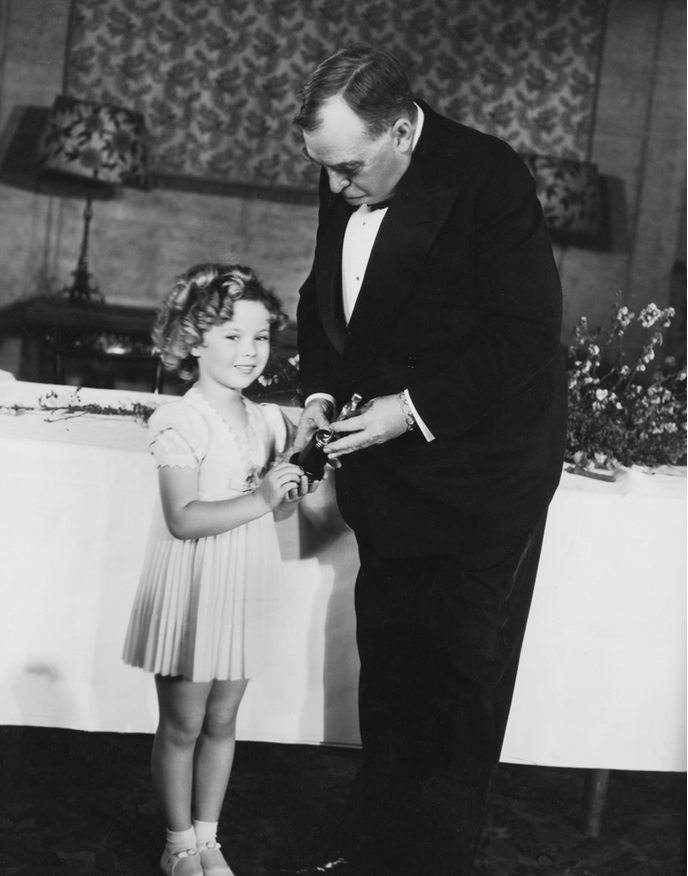
The first recipient of the Academy Juvenile Award would be an obvious one. At the 7th Academy Awards in 1935, host Irvin S. Cobb would present Shirley Temple with the 7in Oscar statuette to celebrate her on-screen work throughout 1934. In the space of one year, the six-year-old appeared in nine films for Fox Film and Paramount Pictures, seven of which she would receive a screen credit. In particular, the movies Baby Take A Bow, Bright Eyes, Little Miss Marker and Now and Forever would see Miss Temple appear in leading roles alongside Adolphe Menjou, Gary Cooper and Carole Lombard, plus three appearances alongside James Dunn. 1934 had been a breakout year for Temple, considering she had only made her film debut two years earlier in The Red-Haired Alibi, aged only four years old. The Juvenile Academy Award served as the topper for Shirley Temple’s breakthrough year and marked the beginning of a run that would see the child actor become 20th Century Fox’s biggest star for the rest of the 1930s.
Four years would pass before the Academy honoured another young actor with the Juvenile Academy Award. In 1939, two actors would be the recipients of this award. At the 11th Academy Awards, 17-year-old Deanna Durbin and 18-year-old Mickey Rooney would receive the award for “their significant contribution in bringing to the screen the spirit and personification of youth, and as juvenile players setting a high standard of ability and achievement.” However, while one recipient would end 1938 having received their 4th film credit, the other would finish their year with their 50th film credit. Deanna Durbin would receive top billing in two 1938 musicals produced by Universal Pictures, playing an imaginative boarding school student in Mad About Music and a newspaper publisher’s daughter who falls for a reporter in That Certain Age. These two films continued the success that Durbin had experienced with Universal in One Hundred Men And A Girl, a film that had managed to gross $2.2 million ($41.4 million) from a $733,000 ($13.3 million) budget the previous year. Following her feature film debut in a brief role in 1936’s Three Smart Girls, Durbin’s subsequent three parts had seen her find success leading major motion pictures.
While the 17-year-old Durbin had found success while still being relatively new to film acting, Mickey Rooney was already an 11-year veteran by the time he received his Juvenile Oscar. Before 1938, Rooney had already featured in 42 movies. After making his debut as a 6-year-old in the 1927 silent comedy Orchids and Ermine, he would spend most of the 1930s appearing in minor and supporting roles in major motion pictures while starring in a series of 78 short films during the same period. In 1936, Mickey Rooney started to appear in leading roles in movies like Down The Stretch, A Family Affair, and Thoroughbreds Don’t Cry (with Judy Garland) that had raised his status within Hollywood. In 1938, Mickey Rooney would star in eight movies. In three of these, he would play Andy Hardy (a role that he had first played in 1937’s A Family Affair) and star in leading roles alongside fellow child actor Freddie Bartholomew in Lord Jeff and Spencer Tracy in Boys Town.
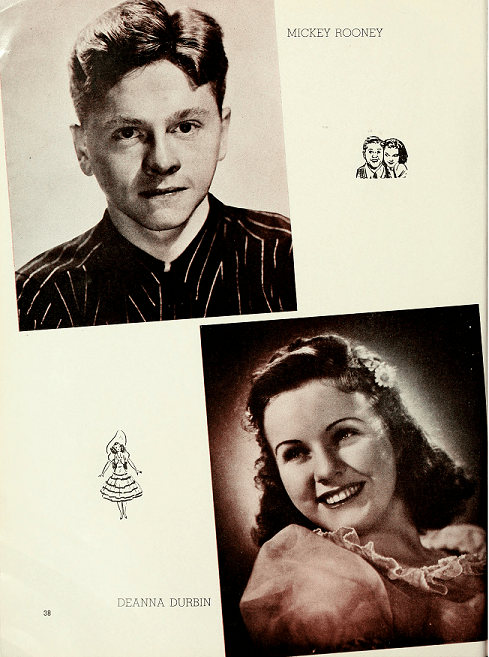
Following their Academy Juvenile Awards, both Deanna Durbin and Mickey Rooney would see their respective stocks rise even further within the Hollywood system. At the end of 1938, the Quigley Top Ten Money Making Stars Poll would rank Deanna Durbin as the 15th-biggest box office draw in the USA and the 6th-biggest draw in the United Kingdom. 1939 would see Durbin star in two musicals for Universal Pictures. First, she would appear in Three Smart Girls Grow Up, the sequel to 1936’s Three Smart Girls, in which she had made her motion picture debut. Later in the year, she would appear in First Love as a Cinderella-type orphan sent to live with her wealthy aunt and uncle and snobby cousin before finding love at a ball. The combined success of these two films would see Durbin become the 12th-biggest draw in the USA, once again according to the Top Ten Money Making Stars Poll. She would also become the top box office draw in the UK, with Mickey Rooney finishing in 2nd.
However, on the other side of the pond, Rooney would become the biggest box-office draw in the United States, thanks to MGM releasing five different movies in 1939 alone featuring Mickey in a leading role. Three of these releases would see him return to the Andy Hardy role in The Hardys Ride High; Andy Hardy Gets Spring Fever and Judge Hardy and Son. This year would also see Rooney lead the 1939 MGM version of The Adventures of Huckleberry Finn that Joseph L. Mankiewicz would produce. However, Mickey Rooney’s place atop the American box office poll would be defined by a film that would see him collaborate with Judy Garland for the third time. In Babes In Arms, an adaptation of the successful Rodgers and Hart Broadway musical, a group of teenagers put on a show to raise money for their Vaudeville parents at the onset of talking pictures. The film would prove to be a smash hit, grossing $3.3 million and becoming the 4th highest-grossing film of the year, beaten only by Fox’s Jesse James, Mr Smith Goes To Washington and Gone With The Wind. A year after his Academy Juvenile Award win, Mickey Rooney would receive an Academy Award nomination for Best Actor for his role in Babes in Arms. Despite losing on the night to Robert Donat, Mickey Rooney is still the second-youngest Best Actor nominee in Oscars history at 19 years old.
Following their respective Juvenile Academy Award wins, Deanna Durbin and Micky Rooney would become two of the biggest box-office draws on either side of the pond during World War II. Durbin would be among the top five draws in the UK between 1939 and 1944, while Rooney would hold the US box office crown from 1939 to 1941 and the UK crown from 1940 to 1942. Like the previous winner Shirley Temple, the Academy Juvenile Award recipients would experience even greater success following their wins. For the Academy, they would not skip a beat in awarding the next Academy Juvenile Award. One year after Deanna Durbin and Mickey Rooney, the next recipient would earn the award for starring in one of 1939’s most notable films.
Even before 1939, 16-year-old Judy Garland had already started to find her way within the Hollywood system. After making her debut in 1936’s Pigskin Parade, Garland would begin her on-screen partnership with Mickey Rooney in Thoroughbreds Don’t Cry before reprising the partnership in Love Finds Andy Hardy. Garland’s performance dedicated to Clark Gable in Broadway Melody of 1938 would earn her regard within the studio and the industry. This performance would lead to leading roles in musical comedies Everybody Sing and Listen, Darling. The following year, Garland would again co-star with Mickey Rooney in Babes in Arms and become the sole lead in another big-budget MGM musical, The Wizard of Oz. As we now know, The Wizard of Oz would be a huge success. The film would gross $2 million at the U.S. box office, becoming the 5th highest-grossing film of the year. The film would also receive six Academy Award nominations, including Best Picture and Best Original Song for ‘Over The Rainbow’.
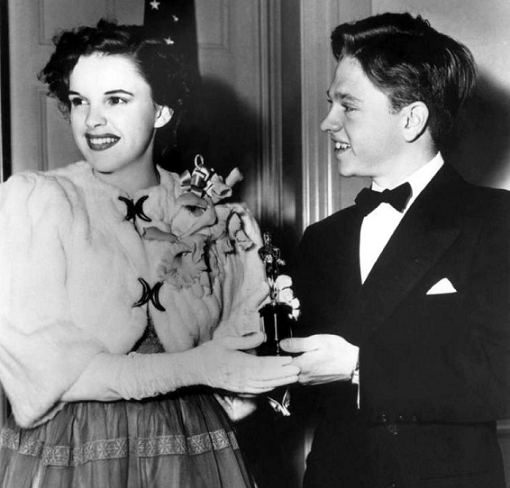
The success of The Wizard of Oz combined with the critical and commercial success of Babes in Arms later in the year meant that Judy Garland ended 1939 having starred in two of the year’s top ten most popular movies. With these numbers, it was an obvious decision for the Academy to award Judy Garland with the Juvenile Award at the 12th Academy Awards. She would receive the award from Mickey Rooney, one young star of Hollywood honouring another. Following her Oscar win, 1940 would see Judy Garland appear in three movies. Garland and Rooney would reunite for Andy Hardy Meets Debutante and the Busby Berkeley musical Strike Up The Band. At the same time, Garland would play both deceased mother and later grown-up daughter to George Murphy in the musical Little Nellie Kelly. By the end of 1940, she had become the 10th biggest draw in Hollywood. She would remain one of the biggest stars in the United States and worldwide for the rest of the 1940s.
The Consistent Years 1945-50
Instead of becoming an annual feature of the Oscars following the wins in consecutive years for Deanna Durbin, Mickey Rooney and Judy Garland in 1939 and 1940, another five years would pass before the Academy Juvenile Award would be presented as part of the Oscars ceremony. However, the Juvenile Oscar’s next presentation would begin the most active period of the award’s history, with five being handed out over the next six years.
At the 17th Academy Awards in March 1945, eight-year-old Margaret O’Brien would receive the statuette that confirmed her as the best performing young actor of 1944. In 1944, O’Brien had appeared in four films. Most famously, she had appeared as Tootie in the Judy Garland musical Meet Me in St Louis, the second high-grossing film of the year. She had supported Charles Laughton in The Canterville Ghost and both Laurence Olivier and Joan Fontaine in Jane Eyre. She had even played the lead role of Mike in the musical Music For Millions. Even though she had previously appeared in the titular roles of Waiting For Margaret (1942) and Lost Angel (1943), 1944 would be a breakout year for the child actor, with Meet Me in St Louis really serving to push her career onwards. Therefore, it was easy for the Academy to reward a juvenile actor from a film that had already received four Oscar nominations.
Margaret O’Brien would only appear in one film throughout the rest of 1945, headlining the drama Our Vines Have Tender Grapes with Edward G. Robinson. Quigley would vote her as the 9th- biggest draw in Hollywood at the end of the year. The rest of the 1940s would see Miss O’Brien in leading roles acting with the likes of Lionel Barrymore (Three Wise Fools, 1946) and Cyd Charisse (The Unfinished Dance, 1947), as well as featuring in film adaptations of Little Women (1948) and The Secret Garden (1949). Except for Little Women, which also included Janet Leigh and Elizabeth Taylor as part of its cast, most of Margaret O’Brien’s films after 1945 would fail at the box office. She would leave her contract with MGM in 1949.
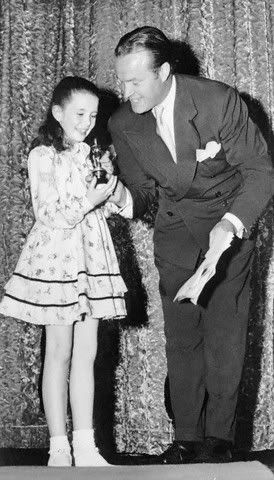
14-year-old Peggy Ann Garner would become the 6th recipient of the Academy Juvenile Award in 1946. Garner had appeared in eleven films before her Oscar win. Her first credited role came in the 1939 Cary Grant and Carole Lombard romance In Name Only, where she would play Lombard’s daughter. The years following this, she would appear in small or supporting roles in Eagle Squadron (1940), the Best Picture-nominated The Pied Piper (1942) and as young Jane in Jane Eyre (1943), which also featured Margaret O’Brien. However, the film for which the Academy would choose to honour Peggy Ann Garner would be the 1945 coming-of-age drama A Tree Grows In Brooklyn. Based on the Betty Smith novel, Peggy Ann would play the book’s main character Francie Nolan, the daughter of an Irish American family growing up in Brooklyn in the 1900s. Along with Peggy Ann’s Juvenile Oscar, the film would also receive Best Supporting Actor and Best Screenplay nominations, winning in the former category. In the same year as A Tree Grows in Brooklyn, Peggy Ann Garner’s name would appear above the title on the posters for Nob Hill (with George Raft, Joan Bennett and Vivian Blaine) and for Junior Miss (where Garner would play the lead role). Both films would be box office successes. The months following her Oscar win, Peggy Ann Garner would appear in the murder mystery western Home Sweet Homicide with Randolph Scott.
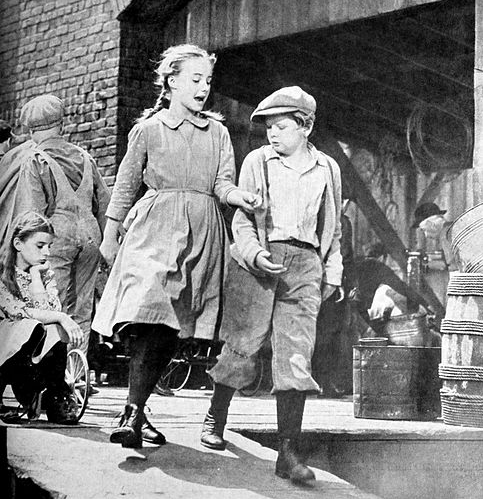
In 1947, when Peggy Ann Garner supported Joan Crawford and Henry Fonda in the romantic drama Daisy Kenyon, the Academy for Motion Picture Arts and Sciences would declare 12-year-old Claude Jarman Jr as the outstanding child actor of 1946. Jarman Jr had earned his Juvenile Oscar for his film debut family drama, The Yearling. Jarman Jr had played Jody, the pre-teen son of Gregory Peck’s Confederate soldier Penny Baxter and his wife Ora, played by Jane Wyman. From a production budget of $3.8 million ($52.3 million in 2021), The Yearling would become MGM’s biggest success of 1946, grossing $7.5 million ($102.4 million) at the worldwide box office. The film would also prove to be popular critically, earning seven nominations at the 19th Academy Awards, eventually winning Best Art Direction and Best Film Editing. The performance of the film’s young star Claude Jarman Jr would also receive a glowing reception, leading to the Academy honouring him with their Juvenile Award.
Following this honour, Jarman Jr would have to wait a year for his next film role. This would arrive with the Van Johnson and June Allyson WWII drama High Barbaree. Announced in the trailer as ‘the sensational star of ‘The Yearling’, Jarman would play the teenage version of the film’s main character Alec Brooke (who would later be played by Van Johnson). Two years after the release of High Barbaree, Claude Jarman Jr would find three leading roles in Intruder In The Dust, Roughshod (for RKO), and the Lassie film The Sun Comes Up. In the 1950’s Claude Jarman Jr would mostly find himself starring in MGM’s western offerings, most notably playing John Wayne’s son in Rio Grande (1950).

After missing the 1948 ceremony, the Academy Juvenile Award would return in 1949 with its first non-American winner. 1949 would be the year of Czechoslovakian actor Ivan Jandl to win the Academy Juvenile Award. He would make his cinematic debut in 1946, briefly turning up in the drama (Varúj…!). In 1948, he would appear in two further Czechoslovakian pictures before making himself known to American audiences in The Search. Directed by major Hollywood director Fred Zimmerman, Jandl would play a young Holocaust survivor searching for his mother in post-WWII European ruins.
The Search would earn praise from leading critics such as Leonard Maltin and Bosley Crowther. It would receive major award nominations, including the Golden Lion at the Venice Film Festival and four Academy Award nominations. The film would earn both an Oscar and a Golden Globe for its story, while its central actor Jandl would earn juvenile awards from both the Academy of Motion Picture Arts and Sciences and the Hollywood Foreign Press. Despite starring in such a critical darling among Western film critics and industry insiders, Ivan Jandl next role would arrive two years later. Instead of another major Hollywood production, Jandl would receive a small unnamed role in Victorious Wings (Vítězná křídla), another Czechoslovakian drama. At the age of 13, Victorious Wings would be the last role of Ivan Jandl’s film career, just two years after his Western breakthrough.
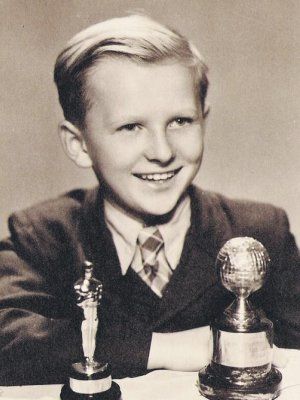
Another year passed, and Bobby Driscoll would become the 9th recipient of the Academy Juvenile Award. The 13-year-old Driscoll had worked in Hollywood for seven years before his award victory. Making his uncredited debut in 1943’s Lost Angel (starring Margaret O’Brien), he would be first credited with a small role in 1944’s Sunday Dinner For A Soldier. In the same year, he would provide a similar role in the Civil War drama The Big Bonanza. The next couple of years would result in small and supporting roles for Driscoll, including the films Miss Susie Slagle’s, O.S.S., and So Goes My Love. However, the young Driscoll would soon find himself under contract with a certain Walt Disney. Mr Disney would cast Bobby Driscoll in his next prestige picture, a film known as Song of the South. Driscoll would play the lead role of Johnny, a young boy who, while staying at a southern plantation, befriends a worker named Uncle Remus. Uncle Remus proceeds to tell Johnny stories about the characters Br’er Rabbit, Br’er Fox and Br’er Bear.
While Song Of The South is today seen as Disney’s most controversial motion picture, having never been released on any form of home video in the USA, the film would prove to be a success both in 1946 and in its subsequent re-releases. As of 2021, the film has grossed $65 million in box office takings. Song of the South’s success almost led to Bobby being awarded the Academy Juvenile Award in 1947. However, his next two film credits would eventually land him the prize.
In 1949, Bobby Driscoll would star in the films So Dear To My Heart and The Window. Like Song of the South, So Dear To My Heart is another Disney film that includes live-action and animation. In the film, Driscoll plays Jeremiah Kincaid, a boy growing up in Indiana in the early 1900s who adopts and raises a black-wool lamb named Danny with the ultimate intention of showing the lamb at the local county fair. In The Window (an RKO production), Driscoll is Tommy Woodry, a regular liar who witnesses a murder one night and tries to tell his parents what he saw. Both films would become successes. So Dear To My Heart would find success commercially, grossing $4.2 million at the worldwide box office.
With The Window, Bobby Driscoll’s performance would receive positive notices from major publications like The New York Times, who wrote that “the striking force and terrifying impact of this RKO melodrama is chiefly due to Bobby’s brilliant acting, for the whole effect would have been lost if there were any suspicion of doubt about the credibility of this pivotal character”, ( ‘The Window,’ Depicting Terror of Boy in Fear of His Life, Opens at the Victoria’, New York Times, 8th August 1949). With praise like this, it is not a surprise that the Academy choose to honour Bobby Driscoll with the Academy Juvenile Award.

The very next film role Bobby Driscoll would take would be playing Jim Hawkins in Disney’s 1950 film version of Treasure Island. The film would be the first fully live-action motion picture made by Disney. The film would gross $4.1 million worldwide $44.7 million in 2021). Three years later, Bobby Driscoll would dabble with pirates again, providing Peter Pan’s voice in the 1953 Walt Disney animated classic. The film would become the sixth highest-grossing film of the year, grossing $6 million. In the between years, Bobby had led the films When I Grow Up (1951) for United Artists and The Happy Time (1952) for Columbia Pictures. Things were looking bright for Bobby Driscoll’s career in the early 1950s.
The Final Years 1955-60
After Bobby Driscoll’s win, a full five years would pass before the Academy would again include the Juvenile Award as part of the Oscars ceremony. For the second time in the award’s short history, 1955 would see two young actors be gifted with this prestigious honour. Compared to Deanna Durbin and Mickey Rooney in 1939, however, the two winners in this particular year were being celebrated for heir roles within the same motion picture. In 1953, British company General Film Distributors would release a film titled The Kidnappers. The film would tell the story of two orphaned brothers sent to live with their grandparents in Canada. One day, the two brothers find an abandoned baby and decided to keep it for themselves. However, it turns out the baby belongs to a rival Dutch family who believes that the two brothers have kidnapped their baby. Jon Whiteley and Vincent Winter would play Harry and Davy, the two brothers at the heart of The Kidnappers plot. The Kidnappers would mark Winter’s film debut while Whiteley had previously featured in the Dirk Bogarde crime drama Hunted one year earlier.
When asked about his role in The Kidnappers in a 2014 interview with Scottish newspaper The Press And Journal, Jon Whiteley answered, “I developed a lovely friendship with Vincent during that time…That’s the charm of working in the cinema. Over the months that you are together it’s impossible not to form bonds of friendship…We were working in a kind of intimacy which means you become friends with the other actors…”

The Kidnappers would be released in the UK on 17th December 1953. It would become the UK’s eighth biggest box-office draw of 1954, according to a poll of 4’365 cinema exhibitors conducted by the British Motion Picture Herald, proving more popular than eventual Oscar winners On The Waterfront and From Here To Eternity. The following year, the movie would be entered into the 1954 Cannes Film Festival and would also see an American release the same year. As you would expect, The Kidnappers would become a critical success after its release. The Kidnappers would be nominated for three BAFTA Film Awards, including Best Film, Best British Film and Best British Actor for Duncan Macrae (who had played Harry and Davy’s grandfather). The Cannes Film Festival would nominate the film its Grand Prize of the Festival Award (now known as the Palme D’Or), and the US National Board of Review would name The Kidnappers as one of the Top Ten Foreign Films of 1954.
To top off the film’s critical acclaim, the Academy would reward the film’s two young leading actors with matching 7-inch golden statuettes representing the Academy Juvenile Award. In the same interview with The Press and Journal, Whiteley would claim, “I didn’t know what an Oscar was…it all meant absolutely nothing to me…I remember when it arrived, hearing it was supposed to be something special, I opened the box and I was very disappointed. I thought it was an ugly statue.” (Cheryl Livingston, The Press and Journal, 19th May 2014)
The next films for Jon Whiteley and Vincent Winter would see them rub shoulders with Hollywood’s elite. Whiteley would play the central role of John Mohune (John Trenchard) in the Fritz Lang adventure movie Moonfleet, a partial adaptation of the 1898 Edward Arnold novel. Along with Fritz Lang directing, John Houseman (Citizen Kane) would act as the film’s main producer with popular British actors Stewart Granger (King Solomon’s Mines), George Sanders (All About Eve) and Joan Greenwood (Kind Hearts and Coronets) rounding out the film’s main cast. However, despite being a major release for MGM in the summer of 1955, the film would fail both critically and commercially, grossing $1.57 million ($15.4 million) worldwide against a $1.95 million ($19.1 million) budget. Following this failure, Whiteley would feature in two 1956 releases, reuniting with Dirk Bogarde for The Spanish Gardener and supporting Lizabeth Scott in the Val Guest thriller The Weapon.
Meanwhile, Vincent Winter would follow up his debut role in The Kidnappers by playing the supporting role of John Holland in the historical action-adventure film The Dark Avenger, starring Errol Flynn as real-life English medieval figure Edward the Black Prince and Peter Finch as the villainous Frenchman Comte de Ville. Critics would give The Dark Avenger less-than-stellar notices, with the film being called corny and bland, while many talking about Errol Flynn being too old to play a swashbuckling hero. Winter would later lead the 1957 film Time Lock, a story about a young boy accidentally locked in a bank vault, with his parents racing to retrieve him before he suffocates. Later leading roles would come with the 1961 monster movie Gorgo and the Walt Disney production Almost Angels in 1962.
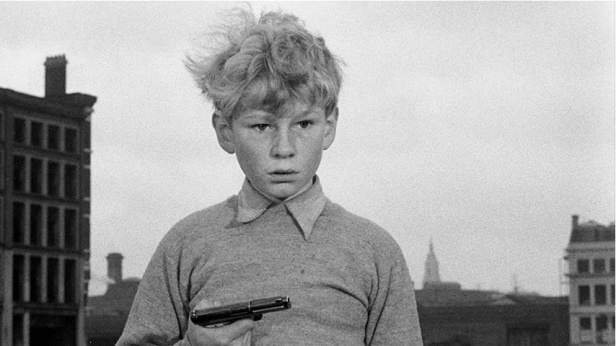
After awarding the Academy Juvenile Awards to Jon Whiteley and Vincent Winter in 1955, another five years would progress before the 7-inch statuette turned up once more. On this occasion, the Juvenile Award would be handed out for the final time. The award’s final recipient would come from an acting family and become one of the biggest child stars of the 1960s. Daughter of legendary director and actor John Mills and fellow actor and writer Mary Hayley Bell, Hayley Mills would make her big-screen debut in the 1959 British crime drama Tiger Bay. In Tiger Bay, John Mills would play a police superintendent, and Hayley would play a young girl named Gillie Evans. One night, Gillie witnesses a recently-returned merchant sailor shooting his wife dead but decides to take the murder weapon and lie to the police about what she saw. When she meets with the sailor, she decides to help him escape trouble and the two bond.
For her role in Tiger Bay, Hayley Mills would receive her first juvenile acting award. In early 1960, she would win the BAFTA for Most Promising Newcomer to Leading Film Roles, the only one of four BAFTA nominations that Tiger Bay would win (the film would also be nominated for Best Film, Best British Film and Best British Screenplay). Her performance would also win her the Silver Bear Jury Prize at the 9th Berlin International Film Festival. In his 1981 autobiography, Sir John Mills would write that Tiger Bay would be viewed by one Walt Disney, who would later offer Hayley Mills the lead role in one of his next major releases, Pollyanna. The film would serve as an adaptation of the best-selling Eleanor H. Porter novel originally written in 1913. Pollyanna would see the 13-year-old Hayley share the screen with Jane Wyman, Adolphe Menjou and Karl Malden in a film where the youngster would play an optimistic 12-year-old who brightens the lives of the residents of a small town in the early 1900s.
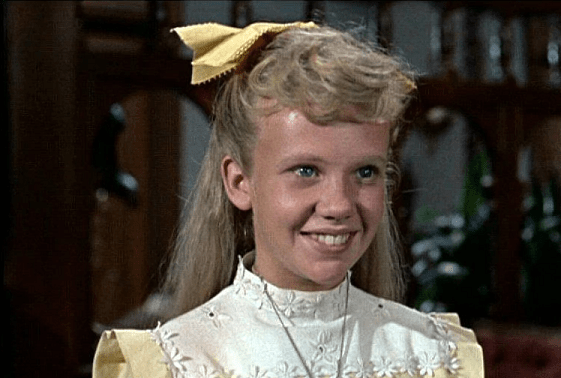
From a budget of $2.5 million ($22.2 million), the film would eventually bring in a reported $3.75 million ($33.3 million), making Pollyanna a minor box office success. However, the film’s main beneficiary would turn out to be its young lead. For her role, Hayley Mills would receive recognition from all three major award shows. She would be chosen to win the Golden Glove Award for Most Promising Female Newcomer. Having already been honoured as a ‘rising star’ in her home country, BAFTA would nominate the 14-year-old for Best British Actress, where she would lose to Rachel Roberts for Saturday Night and Sunday Morning. To complete the trifecta of rising star awards, the Academy would award Hayley with the Academy Juvenile Award. A star had seemingly been born. In a 2018 interview with Entertainment Weekly, Hayley Mills stated that she didn’t even know she had won the Academy Juvenile Award in 1961. She said, “I was actually at boarding school in England, and I didn’t know anything about it until it turned up…I was told, “Well, this is a very special award,” but it was quite a few years before I began to appreciate what I had.” (Shirley Li, Entertainment Weekly, 21st February 2018) According to Mills, her juvenile Oscar would go missing in the 1980s, and the Academy has never made a replacement.
Following two star-making performances in Tiger Bay and Pollyanna, Hayley Mills’ stock would continue to rise within the movie industry. Her next film, The Parent Trap, her second film Disney film, would become her most famous role. Playing twin girls who switch places in a bid to reunite their divorced parents, The Parent Trap would become one of 1961’s biggest film, grossing $25 million ($219 million) worldwide. Its US domestic gross of $11.3 million would only be bettered by El Cid ($12 million), The Guns of Navarone ($13 million) and West Side Story ($19.6 million). Her next film, Whistle Down The Wind, would capture her another BAFTA nomination for Best British Actress. Mills’ third effort with Disney, In Search of the Castaways, would become the 10th highest-grossing film of 1962 in North America. She would continue to make three further films with Disney, producing Summer Magic (1963), The Moon-Spinners (1964) and That Darn Cat! (1965), all of which proved successful.
Retiring The Award, 1963
The Academy of Motion Picture Arts and Sciences originally thought it would take a miracle for a child actor to win an Oscar over their adult counterparts, hence creating the Academy Juvenile Award. However, a Miracle Worker would soon cause the Academy to retire the Juvenile Award in 1963. In 1962, United Artists would release The Miracle Worker, a biopic about Anne Sullivan, the long-time tutor to Helen Keller who taught her sign language and helped her form connections with the world around her. In the film, Anne Bancroft would play Anne Sullivan while 15-year-old Patty Duke would play Helen Keller. Both Bancroft had previously played these roles in a Broadway production of the same story. Like its stage counterpart, the film version of The Miracle Worker would become both a critical and commercial success. Made on a small budget of $500,000 ($4.3 million in 2021), the movie would bring in $2.5 million ($21.7 million).
Critics and industry insiders would see Arthur Penn’s picture as one of the best of 1962. The film would earn nominations for three Golden Globes, two BAFTAs and five Academy Awards. Bancroft and Duke, who had previously won Tony Awards for the Broadway production, would be nominated for Golden Globes and Oscars. Both would come up empty-handed at the former, but Bancroft would snag the BAFTA for Best Foreign Actress. The Miracle Worker would win two of its five Oscar nominations at the 35th Academy Awards. Historically, the two victories would arrive in the acting categories. Anne Bancroft would defeat Bette Davis, Geraldine Page, Lee Remick and Katharine Hepburn to win the Best Actress category. History would remember this moment for Joan Crawford would accept the award on behalf of the absent Bancroft, something that would fuel the flames of the feud between Crawford and Bette Davis. At the same ceremony, Patty Duke, aged 16 years and 115 days, would become the youngest Oscar winner in history. She would defeat Angela Lansbury, Thelma Ritter, Shirley Knight and Mary Badham to win the Best Supporting Actor category.
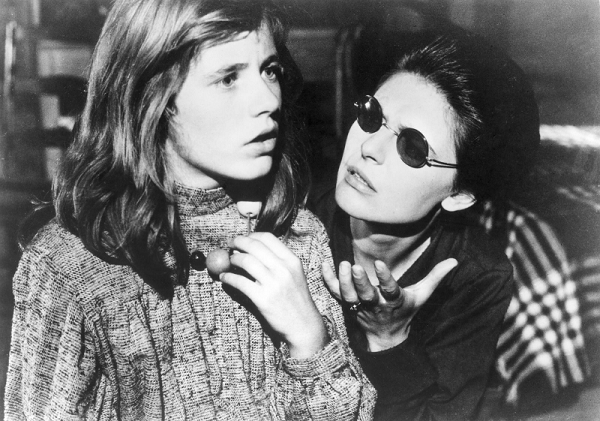
When later interviewed for the Archive of American Television, Duke said, “The role won the award…I did my job really well”. She would also reveal that her mother could not attend the ceremony, with her talent manager Ethel Ross accompanying her instead. Seeing Duke’s Oscar win as a victory for an underage actor, the Academy would strike into action. From 1963, they announced that all actors, young and old, would compete on a level playing field, effectively retiring the Academy Juvenile Award forever.
What happened to the winners of the Academy Juvenile Award?
In every section written about every Academy Juvenile Award recipient, each section ended by discussing how winning the award may have affected each actor’s careers in the few years that followed. This section will tell the rest of the story for every single winner. Many of these stories do not make for positive reading.
Shirley Temple
By her 18th birthday in early 1946, Shirley Temple had appeared in 36 motion pictures. Twenty-five of these pictures had produced by the Fox Film Corporation or its successor 20th Century Fox during the 1930s. So prized was Miss Temple to the studio, Fox gave her a bodyguard and a four-room bungalow on the studio lot. In 1940, the parents of the 12-year-old superstar would end her exclusive partnership, buying out the remainder of her contract. She would soon sign with MGM but would only produce one film (1941’s Kathleen) before the studio cancelled her contract. After making the film Miss Annie Rooney in 1942, Temple would take a two-year break from acting.
Upon her return in 1944, she would sign with David O. Selznick’s production company. Two films would quickly follow in the form of the WWII films Since You Went Away (later nominated for nine Academy Awards) and I’ll Be Seeing You. Both films would become box office successes, with the former film becoming the third-biggest film of 1944. However, these two films would be the only ones that Shirley Temple exclusively produced for David O. Selznick during their four-year contract together. She would spend the rest of the 1940s working for many different studios, including RKO, Warner Bros., 20th Century Fox and Argosy Pictures. During this time, she would appear in major films like The Bachelor and the Bobby-Soxer (1947) and Fort Apache (1948), both of which would become popular. However, in these films, Temple would find herself supporting more established stars like Cary Grant, Henry Fonda and John Wayne. She would receive leading roles in the films Kiss and Tell (1945), Honeymoon (1947), and That Hagen Girl (1947), but these films would fail to attract business into U.S. movie theatres.
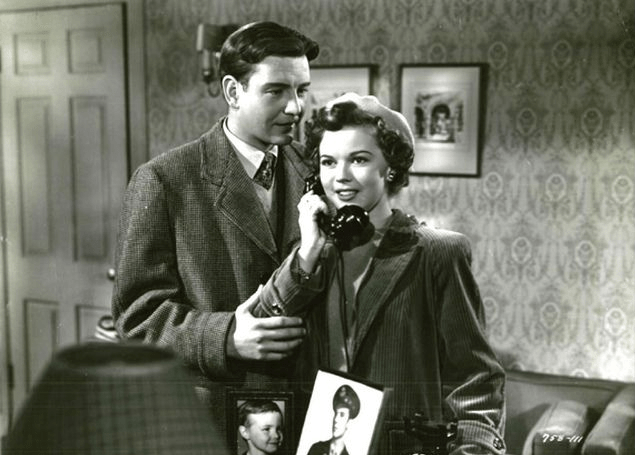
In 1950, Shirley Temple would retire from acting, aged 22 years old. In her final year, she had featured in four films for four movie studios: Mr Belvedere Goes To College (20th Century Fox), Adventure In Baltimore (RKO Pictures), The Story of Seabiscuit (Warner Bros.), and A Kiss For Corliss (United Artists). Of these, only Mr Belvedere Goes To College would capture the public’s imagination, grossing $3.7 million ($40.8 million) to become the 7th highest-grossing film of the year in North America. In her 1988 autobiography Child Star, Temple would describe herself as “a mad dog chasing its own tail” this final year.
In 1958, she would narrate a fairy tale TV anthology series called Shirley Temple’s Storybook. The show would run for 2 seasons and 41 episodes before ending in the summer of 1961. however, an attempted return to acting would end unsuccessfully in the mid-1960s, and Shirley Temple would instead turn her hand to politics. She would unsuccessfully run for Congress in 1967 but would become an important diplomat for Republican presidents Richard Nixon, Gerald Ford and George H.W. Bush. From 1974 to 1976, she would serve as the US Ambassador to Ghana before serving as Gerald Ford’s Chief of Protocol. Finally, from 1989 to 1992, she would return to an ambassadorial role, acting as the US Ambassador to Czechoslovakia during George Bush Sr’s administration.
On 10th February 2014, Shirley Temple would die of COPD at the age of 85.
Deanna Durbin
In the early 1940s, Deanna Durbin was one of the world’s biggest box office draws. From 1938 to 1944, she would be one of the top 10 draws in the UK, and top 25 draws in the USA. Durbin spent the first 10 years of her career working exclusively with producer Joe Pasternak between 1936 and 1941. Following this, she would make 8 films with producer and later-husband Felix Jackson between 1943 and 1947. After making her name in musicals, she would later transfer into more dramatic roles, beginning in 1943 with The Amazing Mrs Holliday and His Butler’s Sister (even if she still sang in these films). In 1944, she would go against type, co-starring with Gene Kelly in the film noir Christmas Holiday as a woman who runs away from her unstable husband. Despite the dramatic change of genre, Christmas Holiday would become the most successful movie of Durbin’s career to that date. She would later appear in another noir Lady On A Train, before eventually returning to the more familiar ground of musicals and romantic comedies.
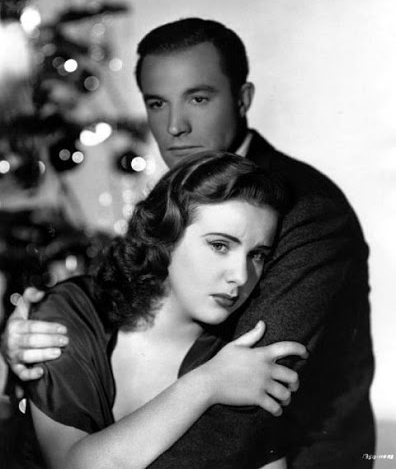
However, like Shirley Temple, Deanna Durbin would be retired from acting by the close of the 1940s. In 1948, she would make the musical comedy Up In Central Park, followed by the rom-com For The Love Of Mary. Following these two films, Durbin would allow her contract with Universal Studios to expire in 1949 and retire from acting at the age of 27. Despite numerous offers in later years asking for her return, she would never change her mind. Deanna Durbin was gone. Durbin would move to Paris and live in obscurity in France under her birth name Edna until her death on 27th April 2013 at the age of 91.
Mickey Rooney
Mickey Rooney will go down as one of the hardest-working actors in movie history. Literally. As referenced earlier, Rooney had already made 50 motion pictures before being awarded the Academy Juvenile Award in 1939. Across the whole of his career, Mickey Rooney would appear in 201 movies and 79 short films between 1926’s short subject Not To Be Trusted and the 2017 film Dr Jekyll and Mr Hyde that would be released four years after his death. From 1938 to 1945, he would be one of the top draws in the industry. His main success would be his frequent collaborations with Judy Garland, as the two starlets would make 10 films together between 1937 and 1948. He would also continue producing Andy Hardy movies during the height of his success. 1946’s Love Laughs At Andy Hardy, the 15th film in the franchise, would gross $2.35 million ($31.8 million) from a $1 million budget ($13.5 million) budget. (An attempt to revive the franchise in 1958 with Andy Hardy Comes Home would ultimately prove unsuccessful.) Following his Best Actor Oscar nomination for 1939’s Babes In Arms, he would receive a second nomination in 1943 for The Human Comedy. He would again prove unsuccessful, losing to Paul Lukas’s performance in Watch On The Rhine.
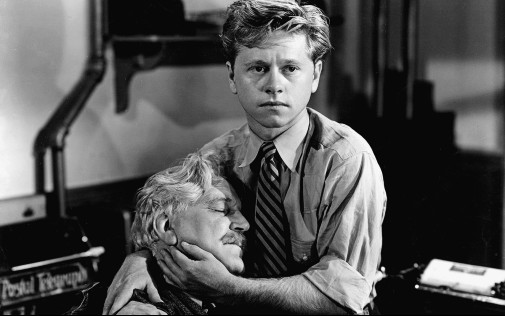
Mickey Rooney’s film career would slump following World War II, and he would never achieve the same level of popularity as a leading man again. However, he would never stop working for the rest of his life, eventually having a career spanning 88 years. Despite his career slump, Mickey would receive two further Academy Award nominations, both in the Best Supporting Actor category. In 1956, his performance in The Bold And The Brave as an American soldier stationed in Italy during WW2 who spends his time gambling up and down the Italian front would lose to Anthony Quinn’s performance in Lust For Life. 23 years later, the now 68-year-old Mickey Rooney would obtain another nomination for his role as Henry Dailey in The Black Stallion. Rooney, nominated alongside 8-year-old Justin Henry, would both lose out to Melvyn Douglas’s performance in Being There. During his varied career, Mickey Rooney would twice portray real people, first playing Thomas Edison in 1940’s Young Thomas Edison before later playing the title character of Lester M. Gillis in the 1958 film Baby Face Nelson. He would also become an effective supporting player in films like It’s a Mad, Mad, Mad, Mad World (1963), Time Bandits (1981) and Night At The Museum (2006). In 1983, he would receive an Honorary Academy Award, 55 years after his Juvenile Award victory.
Mickey Rooney would die on 6th April 2014 at 93 years old due to complications relating to diabetes. The final years of his life had seen his family misuse his vast fortune, dwindling his estate as low as $18,000, leaving the veteran actor asking for donations from the public to pay his medical bills. However, he would pass, leaving behind one of the most extensive filmographies of any actor in cinema history along with four Oscar nominations, an Academy Juvenile Award, an Honorary Oscar, two Primetime Emmy Awards (from five nominations), two Golden Globe Awards and a Tony Award nomination.
Judy Garland
Of all the Academy Juvenile Award, the acting career of Judy Garland would prove to be both the most successful and the most tragic. After her star-making role in 1939’s The Wizard of Oz, she would go on to have a string of hit movies while being frequently cast alongside Hollywood’s most elite actors. The box office numbers for these films show how popular she would become in the 1940s and 1950s. First performing exclusively for MGM, Garland’s starring roles in For Me and My Gal (1942) Meet Me in St Louis (1944) and Easter Parade (1948) would place 8th, 2nd and 5th in the end-of-year domestic box office standings. After two further hits in the form of In The Good Old Summertime and Summer Stock, MGM would terminate Garland’s contract in 1950. She would step away from the screen for four years, mostly performing on stage in the interim.
However, in 1954, she would make a dramatic comeback co-starring with James Mason in the 1954 film version of A Star Is Born. Grossing over $6m ($59.6m) in domestic box office revenues, the film would become the 6th highest-grossing film of the year. Garland’s leading performance as Esther Blodgett would earn the 32-year-old an Oscar nomination for Best Actress. Going into the ceremony, she was almost expected to beat a field of Dorothy Dandridge, Audrey Hepburn and Jane Wyman. She had already won the Golden Globe Award in the same category. When the ceremony was going on, Judy was in the hospital, having just given birth to her son Joseph and cameras were set waiting for her name to be called. However, to the surprise of many, including Judy Garland, Grace Kelly would win the award for her performance in The Country Girl.
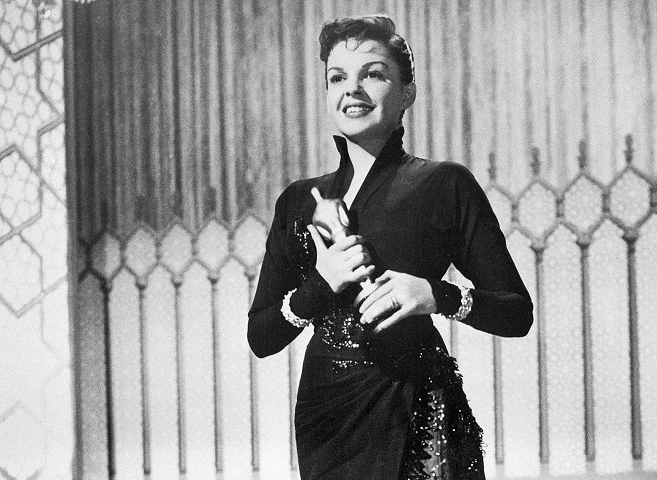
Seven years after A Star Is Born, Judy Garland would earn her second Oscar nomination for her supporting performance as Irene Hoffman in Judgement At Nuremberg. The film would prove popular with audiences, including $10 million in box office takings, and would receive a total of 10 Academy Award nominations. However, in a familiar story that would become prevalent throughout the night, the Academy Award for Best Supporting Actress would go to West Side Story‘s Rita Moreno, one of 10 wins for the Robert Wise movie. After Judgment At Nuremberg, Judy Garland would act in just three more films: the animated musical Gay Purr-ee (1962), the John Cassavetes project A Child Is Waiting and the musical I Could Go On Singing (both 1963). Following these films, she would be given her own primetime show on CBS in September 1963. However, The Judy Garland Show would be cancelled after just 27 episodes due to poor ratings. She would spend the rest of her life either performing on TV shows or touring around the world.
For much of her career, Judy Garland would experience a series of personal problems. An overuse of sleeping pills would cause her to lose the lead role alongside Fred Astaire in 1949’s The Barkleys of Broadway to Ginger Rogers. The filming of Summer Stock in 1950 would take six months as Garland took pills to help her lose weight. Further personal problems would lead to Jane Powell featuring opposite Astaire in 1951’s Royal Wedding. She also left the opportunity to play Annie Oakley in 1950’s Annie Get Your Gun due to past dealings with the film’s director Busby Berkeley. In May 1964, she would be booed off stage during a concert in Melbourne. After turning up late, she would leave the stage in tears after just 20 minutes of performing due to the Australian crowd’s angry reactions. She was reported to be forgetting words to her own songs and slurring the words she did manage to remember.
On 19th January 1969, Judy Garland would perform on Sunday Night At The London Palladium. Two months later, on 25th March, she would perform her final concert in Copenhagen. Unfortunately, she would pass away on 22nd June 1969 at 47 years old after overdosing on barbiturates. If you want to look deeper into the life of Judy Garland, there is no shortage of reading material out there.
Margaret O’Brien
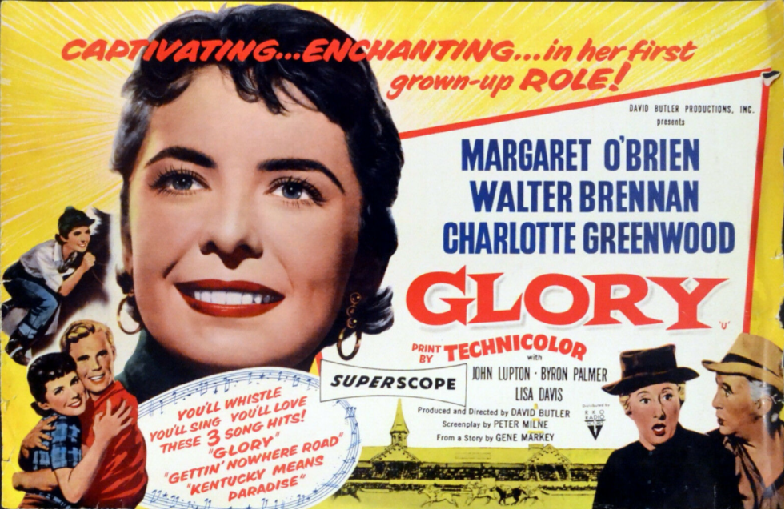
After her performance as Tootie in Meet Me In St Louis had earned her the Academy Juvenile Award in 1945, Margaret O’Brien was seen as a star in the making. However, MGM’s numerous films released in the second half of the 1940s starring O’Brien in the lead role would often lose money. O’Brien would leave MGM in 1949. After leaving, she would appear in just 23 films over the course of the next 79 years. First, she would make the romantic drama Her First Romance for Columbia Pictures in 1951. In 1956, she would land a leading role in the RKO musical Glory. Two years later, she would reprise the role of Beth March in a CBS TV movie version of Little Women. After co-starring in the 1960 George Cukor western Heller In Pink Tights with Anthony Quinn and Sophia Loren. She would not appear in another major Hollywood film until 1981’s Amy, a film produced by Walt Disney Pictures. Since then, she has 15 further film credits to her name, most of which you will only find on IMDb without any pictures to their name.
At the time of writing, Margaret O’Brien is still alive and acting at the age of 84.
Peggy Ann Garner
In 1945, Peggy Ann Garner starred in three films for 20th Century Fox. In 1947, she would play a supporting role in the Otto Preminger romantic drama Daisy Kenyon, a film that starred Henry Fonda, Dana Andrews and Joan Crawford. By 1955, her film career would be pretty much over. Following the failure of Daisy Kenyon, the teenaged Garner would be cast to work with another famous director, John Sturges. However, the resulting film, The Sign of the Ram, would also fail at the box office. After appearing in two consecutive bombs, she would spend 1949 working with smaller studios like Monogram Pictures and Film Classics to produce low-budget features like Bomba, The Jungle Boy, The Big Cat and The Lovable Cheat.
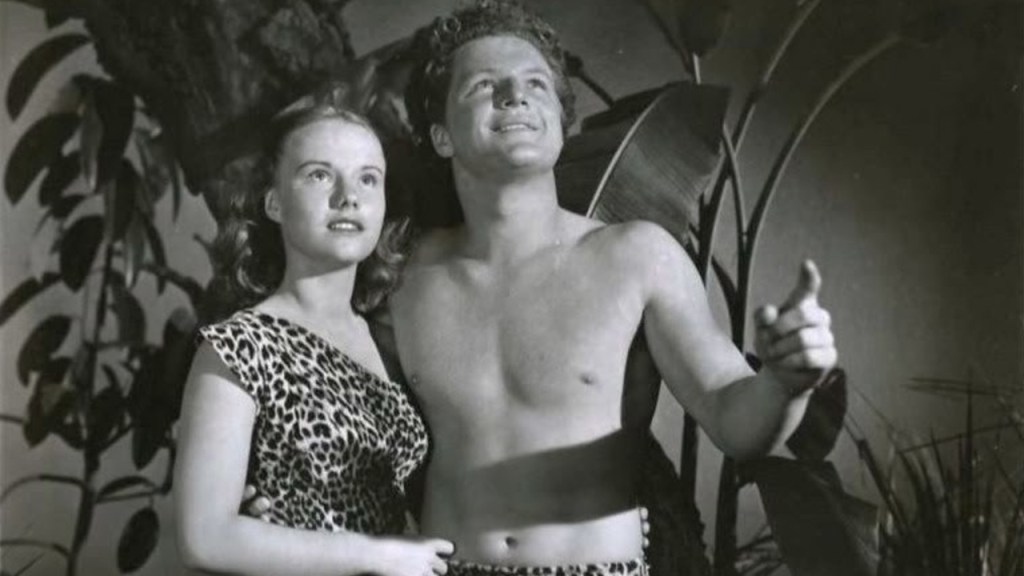
After a poor end to the previous decade, Peggy Ann Garner would return to appearing in supporting roles in pictures for major studios at the start of the next. In 1951, she would work with Fred Zinnemann on the Oscar-nominated film Teresa. Three years later, the now 22-year-old Garner would play an important role in the Nunnally Johnson mystery film Black Widow. The movie, produced by 20th Century Fox, would feature Ginger Rogers, Van Heflin and Gene Tierney in the leading roles. In Black Widow, Peggy Ann Garner plays Nancy Ordway, an aspiring young writer whose murder in the film’s first act sets up the film’s main plot. Playing a more mature role in a bid to advance her career, Garner would have believed her career was about to improve. Black Widow would become a box office success, making $2.5 million ($24m) from a $1.09 million ($10.7m) budget.
However, following Black Widow, Peggy Ann Garner would not make another film appearance until 1966. Instead, she would spend the rest of the 1950s appearing in one-off teleplays. In the 1960s, she would transfer to guest-starring on TV dramas including The Untouchables, Bonanza, Batman and The Man From U.N.C.L.E., as well as the anthology series Alfred Hitchcock Presents and The Outer Limits. After a twelve-year hiatus, she would return to cinemas in the 1966 adventure movie The Cat.
On 16th October 1984, Peggy Ann Garner would pass away from pancreatic cancer at 52 years old. Her final big-screen role would come in the 1978 Robert Altman comedy A Wedding. Her final role had come in the 1980 TV movie This Year’s Blonde, a film about Marilyn Monroe’s life. Garner would play a small role in proceedings.
Claude Jarman Jr

After earning the Academy Juvenile Award for his debut in The Yearling and appearing on posters for films starring Gloria Grahame (Intruder In The Dust) and John Wayne (Rio Grande), you might have thought that the movie career of Claude Jarman Jr. would be a long one. However, his career would take place within 10 years. When asked about his career in 2014, he would downplay his success, stating, “I was lucky. It was the Golden Age of MGM, and I was part of it.” (Ernest Beyl, The Marina Times, September 2014). After playing a crucial role as John Wayne’s son in 1950’s Rio Grande, the teenaged actor’s next three roles would all come in Western movies. However, The Outriders (1950), Inside Straight (1951) and Hangman’s Knot would all fail to bring in the general public. Following a supporting role in the 1953 adventure Fair Wind To Java, Claude Jarman Jr would take time away from acting and instead head off to Vanderbilt University to attend college.
After a three-year break, Jarman Jr would return in The Great Locomotive Chase, a 1956 Disney release. Apart from an appearance in the 1979 TV miniseries Centennial, The Great Locomotive Chase would serve as Claude Jarman Jr’s last movie role. His acting days now behind him at 22 years old, Jarman Jr would serve in various roles for the rest of the 20th Century. He would perform PR for the US Navy, run the San Francisco Film Festival between 1965 and 1980, become the city’s Director of Cultural Affairs and form his own travel company.
As of March 2021, Claude Jarman is still living at the age of 86.
Ivan Jandl
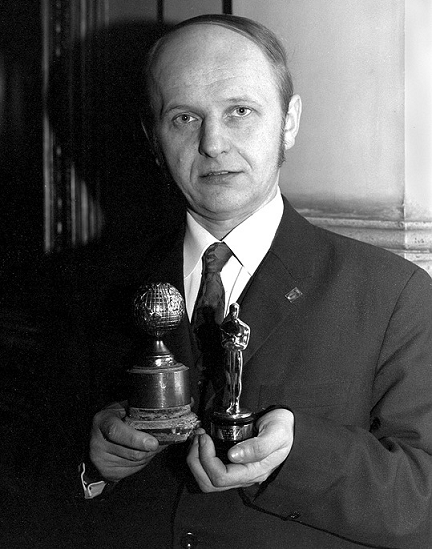
As referenced earlier, Ivan Jandl’s big-screen would be a short-lived one. His filmography is comprised of five movies released between 1947 and 1951. Despite playing the focal role in the critically-acclaimed and award-nominated Fred Zinnemann film The Search, his career in Hollywood would never take off after his Juvenile Golden Globe and Oscar won in 1950. However, his future career would be cut short by politics. The communist government of Czechoslovakia would not permit the young star to work in a capitalist country like the United States. That alone put paid to his future prospects. For accepting the Academy Award, Jandl would be stopped from attending Prague’s Academy of Performing Arts. After further failures to resume his acting career, he would eventually find work in radio, first as a programme manager and then as an announcer.
On 21st November 1987, Ivan Jandl would perish due to complications from diabetes at the age of 50. A promising career killed off by petty politics.
Bobby Driscoll
In the early 1950s, Bobby Driscoll was one of the brightest young stars Hollywood and Walt Disney had to offer. With an Academy Juvenile Award under his belt plus leading roles in Treasure Island (1950) and Peter Pan (1952), the teenager had a bright future ahead of him. Unfortunately, that future would turn to be hazier than first thought. In 1955, Driscoll would play a small but important role in The Scarlet Coat, a historical spy drama directed by John Sturges featuring Cornel Wilde and George Sanders. Driscoll would play Ben Potter, a stable boy who feeds information to Major John Bolton (Wilde) regarding a British officer’s spouse carrying information to the Americans. The Scarlet Coat would prove successful for the film’s studio MGM, grossing just $1.2 million from a $1.6 million budget. Following this movie, Driscoll would spend the next four years of his career on television. He would make guest appearances in the crime dramas Crusader (1956) and M Squad (1957) and act in episodes of the anthology series Climax! (1956) and Frontier Justice (1958).
In 1958, Bobby Driscoll would return to film, leading the Paramount film The Party Crashers. The Party Crashers is a hard-hitting drama about a group of unruly teens who spend their time crashing parties around their hometown while maintaining difficult relationships with their respective parents. This return to the silver screen would be short-lived. The Party Crashers would be the final feature film of Bobby Driscoll’s career. For the rest of the 1950s into 1960, he would return to guest-starring on popular TV shows like The Millionaire, Trackdown and two appearances on Rawhide.

In March 1953, Walt Disney chose to cancel Bobby Driscoll’s contract with the studio instead of triggering a two-year extension. Puberty was the reason given for his departure. After leaving the House of Mouse, Driscoll would find it hard to attain film roles, hence the television work. Moving from private to public school in Los Angeles, Bobby would start to engage in bad habits, including one that would ultimately lead to his demise. In 1956, he was arrested for possessing marijuana. The same year he would elope to Mexico to marry his girlfriend Marilyn Jean Rush. The pair would divorce three years later. In 1960, he would be charged with disturbing the peace and assaulting someone with a deadly weapon. The charges would later be dropped. One year later, he would be sent to rehab for his drug addiction, serving time at the California Institute for Men. After serving his time, he would travel to New York City and fall into Andy Warhol’s ‘Factory’ community. During his time with Warhol, Driscoll would act in the short film Dirt, produced in 1965. This would turn out to be the last role of his career.
Despite going to rehab in 1961, Bobby Driscoll couldn’t fully escape his demons. On 30th March 1968, he would be found dead in an apartment in New York’s East Village. The cause of death would be reported as heart failure caused by drug use. When he was found, he had nothing with which to verify his identity. He would be buried in a pauper’s grave, and it would take a year after his death for the body to be identified as Bobby Driscoll. News sources would not widely report his death until 1971. A sad way for the boy who, along with Luana Patten, had once been referred to as Walt Disney’s ‘Sweetheart Team’ and the actor for whom Mr Disney most saw himself as a young boy. Disney’s original Jim Hawkins and Peter Pan would only make it to 31 years old before passing away in tragic circumstances.
Jon Whiteley
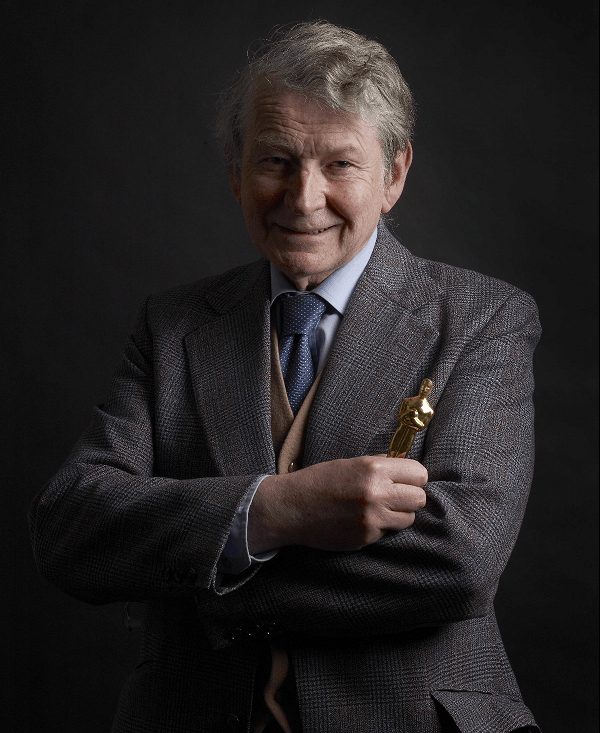
Another Academy Juvenile Award winner, another short-lived acting career that would follow. After his win for The Kidnappers, Jon Whiteley would appear in three more films before his career was cut short in 1946. Whiteley’s mother would not allow him to continue acting unless he successfully got into grammar school. Before he focused on his studies, his last role would see him guest star in a 1957 episode of The Adventures of Robin Hood. Between 1963 and 1966, he would study art history at Pembroke College, Oxford. During his undergraduate studies, he would appear in a 1966 episode of the American spy series Jericho. This would be his final acting role. However, despite his acting career ending within five years of its beginning, Jon Whiteley would become known as an art historian. He would publish six books on the subject during his lifetime, with the majority being published by the Ashmolean Museum in Oxford. Whiteley’s place of work.
In his later years, he would not bring up his past acting work unless someone specifically asked him about it. When asked, he said, “For many, many years it was something that happened in the past and was long forgotten but the tiresome thing now is that the internet makes it so much easier to find out about people…I don’t really care, I’d rather people didn’t mention it but it doesn’t really bother me.” (Cheryl Livingstone, The Press and Journal, 19th May 2014)
Jon Whiteley would pass away on 16th May 2020, at 75 years old, due to unknown causes. In the days following his death, The Independent and The Scotsman would feature obituaries to the man on their website, bringing up both his acting career and his work in art history. Despite his last acting role in 1979 and his last film role in 1956, The Hollywood Reporter wrote a report about John Whiteley’s death, headlining the piece ‘Jon Whiteley, Recipient of a Rare Juvenile Oscar, Dies at 75’.
Vincent Winter
Like his Kidnappers co-star John Whiteley, Vincent Winter’s acting career would not be a long-lasting one. After making his debut in The Kidnappers in 1953, Winter would appear in a further ten films. Many of these have been discussed in an earlier section (e.g. Gorgo, Almost Angels). Vincent Winter’s acting career would end in 1964, with his final role in The Three Lives of Thomasina, a fantasy film made by Disney starring Patrick McGoohan in the lead role. However, unlike Jon Whiteley, Vincent Winter would remain within the film industry even after his time on-screen had ended at 16 years old. In fact, the most notable films he would work on during his life would come from behind the camera as an assistant director, producer, location manager, unit manager and production manager. In these many roles, Vincent Winter would be involved in making some of the biggest cinematic releases of the 1980s, including For Your Eyes Only, Indiana Jones and the Temple of Doom, The Colour Purple Henry V and the first three Superman films starring Christopher Reeve.
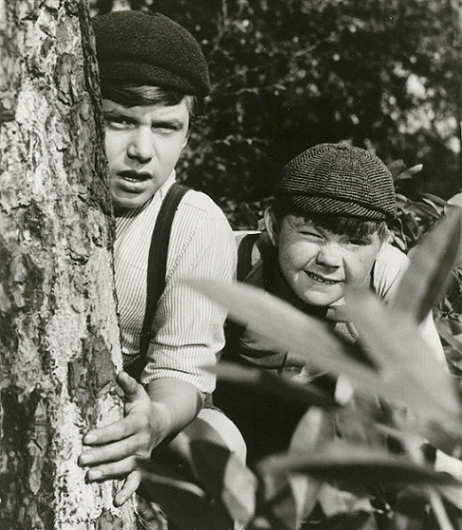
Unfortunately, Vincent Winter would die on 2nd November 1998, at the age of 50. An obituary written in The Guardian stated that “Few child stars had the endearing appeal of Vincent Winter…As a five-year-old, he won the hearts of adults and children alike in Philip Leacock’s 1953 film classic The Kidnappers… So convincing was his performance in The Kidnappers, he won a special Academy award for ‘outstanding juvenile performance.'” (Tim Read, The Guardian, 20th November 1998) High praise indeed for a man who proved himself effective on both sides of the camera.
Hayley Mills
As mentioned earlier, Hayley Mills would have the perfect start to her acting career. Winning a trifecta of rising star awards and starring in a series of Disney films meant that the young actress would among the top 20 most popular stars at the US and UK box offices between 1961 and 1964. In 1965, she would end her contract with Disney but would continue to succeed in her roles. The next film she would do, 1966’s The Trouble With Angels, would gross $4.1 million ($33.2 million) at the US box office. She would once again co-star with father John in The Family Way the same year. In the late 1960s, she would take more mature parts in Pretty Polly (1967) and Twisted Nerve (1968). By the 1970s, Hayley Mills had mostly left Hollywood behind, and films like Endless Night (1972) and What Changed Charley Farthing? (1974) were made in the UK.
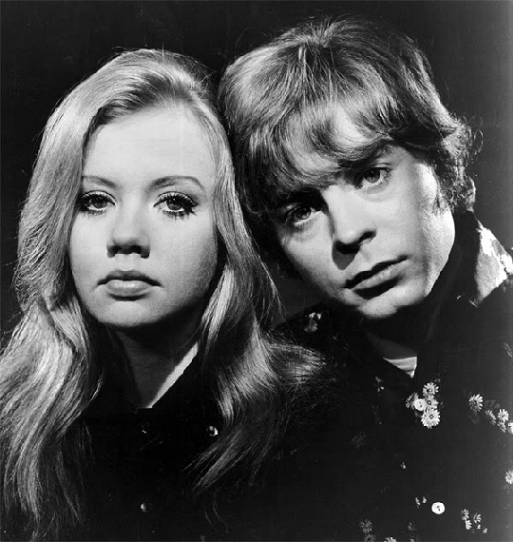
Between 1975 and 1988, she would take a break from feature films, either appearing on stage in The Importance of Being Earnest and Dial M For Murder or on the small screen, making guest appearances on The Love Boat (1979-80) or Tales Of The Unexpected (1983) or starring in the miniseries The Flame Trees of Thika in 1981. In 1986, Hayley Mills would return to the dual role of Susan Carey and Sharon Ferris in The Parent Trap II, the sequel to the 1961 original. The made-for-TV sequel would air on The Disney Channel. The Parent Trap II would mark Hayley Mills resuming a working relationship with Walt Disney Studios. She would later make two further Parent Trap sequels, Parent Trap III and Parent Trap: Hawaiian Honeymoon, in 1989, with both films airing on NBC.
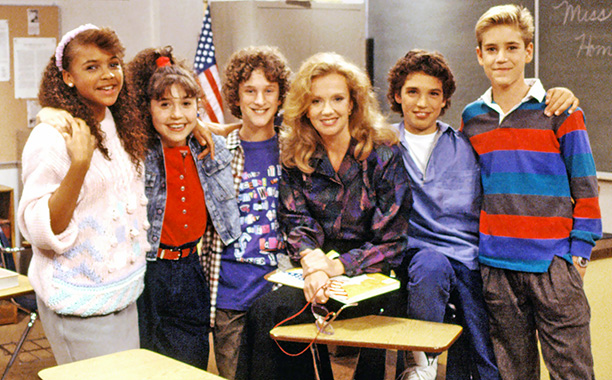
Around the same time period, Mills would accept an offer to play the title role in a Saturday morning sitcom that would air on The Disney Channel. The show, titled Good Morning Miss Bliss, would see her play a junior high school teacher in Indianapolis who would sort out the situations her students got themselves into. As many would know, Good Morning Miss Bliss would last just 14 episodes before being cancelled. After retooling the show’s concept, NBC would buy the show’s rights and start airing the new show Saved By The Bell beginning in August 1989. In her final Disney role, she would star in the 1990 TV movie Back Home as a woman who left Britain for America during WW2, only to return with her daughter in 1945 and see how everything has changed.
In 1988, she would return to feature films, appearing as part of the ensemble cast in the Hercule Poirot mystery An Appointment With Death. Her last notable film role came in 1994’s A Troll In Central Park. She would also spend the 1990s acting in stage productions of Hamlet, The King and I and A Midsummer Night’s Dream. In the mid-2000s, she would return to television for five series of the ITV drama Wild At Heart, about a family who decamps from Britain to South Africa to set up a game reserve.
As of March 2021, Hayley Mills is still acting frequently at the age of 74, with her most recent role occurring in 2019.
Conclusion
The original reason for creating the Academy Juvenile Award in time for the 7th Academy Awards in 1935 was that the Academy for Motion Picture Arts and Sciences felt that younger or juvenile actors were at a disadvantage compared to their grown-up counterparts when it came to winning an Academy Award. The award was retired in 1964 because a juvenile actor (Patty Duke) had successfully beaten her fellow adult nominees to win an Oscar, seemingly nullifying the need to continue handing out the special juvenile award. Patty Duke’s win convinced Academy committee members that underage actors were now on a level footing with the adults, hence the announcement that made that view official. However, over 60 years since Hayley Mills was awarded the final Academy Juvenile Award, this writer would express the view that the award, or one with a similar purpose, may need to be added to the Oscars ceremony once more.
Looking at the statistics, 8 years have passed since a juvenile actor has been nominated in one of the four main acting categories at the Academy Awards. That honour fell to Quvenzhane Wallis, who would receive a Best Actress nomination for her performance in Beasts of the Southern Wild in 2013. Since the year 2000, the closest thing to any juvenile actors being nominated in the male acting categories is 23-year-old Timothee Chalamet’s Best Actor nomination for Call Me By Your Name in 2017 and 20-year-old Lucas Hedges’ Best Supporting Actor nomination for Manchester By The Sea one year previously. Aside from Quvenzhane Wallis, the most recent juvenile actress to receive an Oscar nomination was 14-year-old Hailee Steinfeld for True Grit in 2011. In recent years, there has been a lack of nominations for the performances of juvenile actors. If these nominations do occur, they are most likely to come, as always, in the Best Supporting Actress category (see Abigail Breslin in 2007 and Saoirse Ronan in 2008).

One example that comes to mind is Jacob Tremblay. In 2016, Brie Larson would win Best Actress for her performance in the Lenny Abrahamson drama Room. The film saw Larson portray a mother held captive within one room for seven years, with the 8-year-old Tremblay playing her son Jack. Much praise was given to the performance of Tremblay, with many critics calling for award recognition. He would receive nominations from critics associations in Chicago, Austin, Detroit and Florida. The National Board of Review would award him Best Breakthrough Performance. The Critics’ Choice Awards would give him Best Young Performer. In a huge statement, the Screen Actors Guild would nominate him for Best Supporting Actor, which he would ultimately lose. The Oscars would not include Jacob Tremblay in their list of nominations for Best Supporting Actor, in a category that would ultimately be won by Mark Rylance’s performance in Bridge of Spies. If the Oscars had a special award or regular award that celebrated the film industry’s best young performers, Jacob Tremblay would have been a shoo-in to earn the honour in 2016.
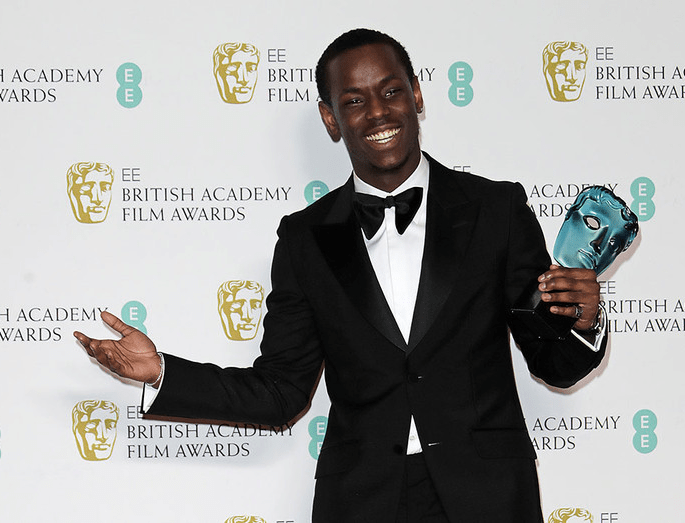
At the same time as the Academy Juvenile Award, the Golden Globes and BAFTAs held similar awards during the Golden Age of Hollywood. Beginning in 1948, the Golden Globes introduced two separate awards for New Star of the Year. In 1952, the BAFTA for Most Promising Newcomer To Leading Roles would be introduced. Both Golden Globe awards would be retired after the 1982 ceremony, and the BAFTA would follow in 1984. However, BAFTA would introduce its Rising Star Award in 2006, the only BAFTA to select the winner by public vote. In its decade-and-a-half existence, the selected winners have included James McAvoy, Kristen Stewart, Tom Hardy, John Boyega, Tom Holland and Daniel Kaluuya. An Oscar awarded similarly would lead to some interesting but informed choices such as these.
As shown above, the 12 recipients of the Academy Juvenile Award did not have the best careers on the whole. Many careers were either short-lived, cut short by early retirement or early death. Eve Mickey Rooney, who had the most extensive career of any winner, would have a long life that ended in an unsatisfying fashion. However, if you look at each winner (barring Ivan Jandl) immediately following the Juvenile Award win, the careers improve across the board. John Whiteley and Vincent Winter, who had barely acted before starring in The Kidnappers, would soon find themselves leading pictures for major studios. Margaret O’Brien would glean five years of leading roles out of her performance in Meet Me In St Louis and the Oscar win that followed. Following their respective Juvenile Oscar triumphs, Shirley Temple, Deanna Durbin, Mickey Rooney and Judy Garland all experienced the biggest commercial successes of their careers, becoming the most bankable stars in Hollywood.
You could argue that many of these actors had already been earmarked for success before being honoured. Bobby Driscoll already had Song of the South under his belt before winning the award in 1949. Walt Disney had already noticed enough of Hayley Mills’ talents to cast her in Pollyanna, the film which won her the prize. When asked by Entertainment Weekly about how winning the Academy Juvenile Award affected her career, Hayley Mills answered that “It didn’t change the way I viewed my career, and maybe that was one of the reasons why my parents decided…not to tell me about it… It’s part of their attitude towards me when I was a child, [that] I should be kept as unaffected by the world that I was now moving in as possible. So, I went off to my boarding school, and when I came back from making a movie in Hollywood, I went back to boarding school.” However, I believe that the Academy Juvenile Award added legitimacy to these young actors, making them more appealing to potential casting directors. A similar award existing today could help young actors find work within the film industry and help them hopefully sustain their acting talents into adulthood.
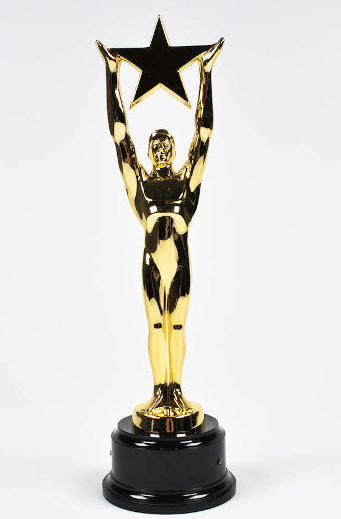
At the present moment, the highest accolade that a young actor can achieve is a Young Artist Award. This awards ceremony has been run on an annual basis since 1978 by the Young Artist Foundation to celebrate Hollywood’s juvenile performers. Between 2016 and 2018, Jacob Tremblay would receive three consecutive nominations for Best Young Actor in a Leading Role, winning in the latter year for his performance in Wonder. Aside from the Young Artist Awards, the Critics Choice Award for Best Young Performer is the other major high-profile award within this category. Previous winners of this particular award have included Jonathan Lipnicki, Dakota Fanning, Keisha Castle-Hughes, Freddie Highmore, Saoirse Ronan, Hailee Steinfeld, Quvenzhane Wallis, Eller Coltrane and Roman Griffin Davis for Jojo Rabbit. While the BAFTAs are doing great work highlighting young up-and-coming talent with their own Rising Star, wouldn’t it be great to see the Academy doing something similar to honour the best young under-21 performers out there? I would certainly think so.
 forgotten-media.com