

Songs created for television unintentionally find success on the radio…
A TV show isn’t complete without a theme song. Whether it be the 18-second guitar-driven intro that introduced you to Breaking Bad or the entire 2 1/2 minutes of The Vogues’ ‘Five O’Clock World’ that played over the highly-choreographed, multi-scene opening sequence of The Drew Carey Show’s second season, theme songs or theme tunes are essential to a TV show’s identity, whether or not the show in question winds up successful.
Even though we now live in a streaming age where a TV show’s opening title can be easily skipped with the push of a button, a TV show’s theme tune is one of its defining characteristics. Some TV themes are so memorable that you can recognise them without seeing a single episode of the show.
However, in some instances, certain TV theme songs become popular enough that members of the public soon aspire to buy them as their own thing, separate from their original context. Record companies close to the channels that air the TV programmes respond to the growing demand and release these theme songs as standalone singles. Eventually, you find yourself listening to the radio and hearing a familiar song or instrumental piece you would typically associate with playing over moving images. This is when the TV theme song indeed enters the mainstream by selling enough copies to earn a place on the mainstream music charts. Even though the tune’s original context as a TV theme is not entirely lost, the track has gone beyond its original purpose. It has convinced people who aren’t even fans of the show the piece of music originated from to buy the piece on its own merit, making it a chart hit.
This particular situation has happened more times than you would expect. There are so many examples over television history of TV themes becoming hits on the radio that I had to restrict this article to fifteen examples. There are enough cases to produce a sequel to this post, which will be written later. However, here are just a few, taken from various TV genres and shows across the decades. In all these cases, the track became a hit after being featured as a TV theme song. If the song was already a hit before its TV usage, it is not here. Let’s get into it!
Comedies
‘I’ll Be There For You’ by The Rembrandts (Friends)
Let’s begin with one of the most recognisable theme songs from one of the most consistently popular shows in television history. Anybody who has turned on a TV set over the past 30 years has heard the Friends theme song, whether they like the show or not. This upbeat 30-second pop-rock ditty has successfully drilled itself into the collective consciousness of hundreds of millions of people worldwide, becoming an essential part of the show’s enduring popularity. It would therefore come as no surprise to anyone reading this post that such was the worldwide popularity of Friends during its 1990s peak that even the show’s theme song ‘I’ll Be There For You’ became a hit on numerous music charts and made minor music stars out of power pop duo The Rembrandts.
When deciding on a theme song for their new show Friends, show creators David Crane and Marta Kauffman initially chose ‘Shiny Happy People’ by REM, which had been a top-10 hit around the world in 1991 and reflected the upbeat mood they desired. However, when REM refused the offer to let their song be licensed for the new NBC sitcom, Warner Bros. Television looked to their sister company, Warner Bros. Records, to look for a band to record an original composition that would serve as the show’s theme song. The final ‘song’ would only last 30 seconds, containing one verse and chorus. David Crane and Marta Kauffman would co-write the theme’s lyrics with Allee Willis (who had previously written hit songs for Earth, Wind and Fire and The Pet Shop Boys), ensuring that the theme song reflected their vision for Friends. All they needed was someone to record it. Enter The Rembrandts, a power pop duo consisting of Danny Wilde and Phil Solem. By 1994, the Rembrandts were already known as a one-hit wonder in their own country, hitting #14 on the Billboard Hot 100 in 1990 with their debut single ‘Just The Way It Is, Baby’. However, the highest placing the pair had managed since was #54 and the Rembrandts’ second album Untitled, released in 1992, had failed to chart anywhere. When Wilde and Solem put their voices and music to the lyrics written by Kauffman, Crane and Willis, the pair probably thought nothing more would come from this theme.
After Friends became an instant hit after debuting in September 1994, the music director at Tennessee radio station WYHY decided to loop the original 30-second theme song into a full-length three-minute song and play it consistently. After this piece of musical DIY proved popular, fans of NBC’s new hit sitcom wanted to know where they could buy a physical copy of the show’s theme song. However, considering the theme lasted 30 seconds, Warner Bros. Records approached the Rembrandts and asked them to turn the short ditty into a 3-minute record that could be played on the radio and sold to the public. Phil Solem would later admit, “There was no way to get out of it. Our record label said we had to finish the song and record it.” Therefore, Solem and Danny Wilde would add to the previous work of Crane, Kauffman and Willis, adding new verses and a bridge to ‘I’ll Be There For You’ while re-recording the entire song. The duo would even record an accompanying music video featuring the six Friends cast members. With their dues paid, the single version of ‘I’ll Be There For You’ would debut on US radio on 23rd May 1995, the week after the Friends season 1 finale. The single became an instant hit, topping the Billboard Hot 100 Airplay Chart despite no physical version of the song existing at the time.
Once the song was released physically around the rest of the world, ‘I’ll Be There For You’ would become a worldwide hit, reaching the top 20 in 13 countries. The song would peak at #17 on the Billboard Hot 100 and top the Adult Contemporary and Mainstream Rock charts in its native USA. Still, it would attain even greater success internationally, topping the charts in Scotland and Canada, becoming the biggest-selling song of the year in the latter country. In the UK, ‘I’ll Be There For You’ would reach #3 as part of a 10-week run on the chart, including six weeks in the top 10. In fact, the song was so successful that a 1997 re-release would re-enter the Top 10 in both the UK and Ireland and the top 40 in France, Norway, Sweden and the Netherlands.
‘I’ll Be There For You’ would even go Gold in sales in New Zealand and Platinum in Australia, Norway and the UK, where it has sold over 925,000 copies alone. The success of the song would lead the Rembrandts’ third studio album LP, which featured ‘I’ll Be There For You’, to chart highly on the album charts in the UK (#14), USA (#23) and New Zealand (#25).
However, while the success of I’ll Be There For You’ turned the Rembrandts into overnight musical stars, this did not lead to sustained success. The duo’s follow-up song ‘This House Is Not a Home’ would fail to chart in the Top 40 outside of the USA, where it was released as a double A-side as part of the original release of I’ll Be There For You’. With no follow-up hit, the Rembrandts would quickly become one-hit wonders (a two-hit wonder in the USA).
‘Happy Days’ by Pratt McClain (Happy Days)
Nineteen years before the Rembrandts found worldwide success with the Friends theme song ‘I’ll Be There For You’, another musical duo achieved the same feat with another iconic sitcom theme song. Happy Days is one of the most successful American sitcoms ever made, at one point the most-watched show in the United States and launching four different spin-off shows, including Laverne and Shirley and Mork and Mindy. One of the most iconic parts of Happy Days is its theme song of the same name. However, for the show’s first two seasons, ‘Happy Days’ was only played over the closing credits of each episode, with Bill Haley and the Comets’ ‘Rock Around The Clock’ used over the opening titles. Come season three, however, the iconic ’50s bop was replaced by its more recognisable successor as part of retooling the show to appeal to a broader audience.
On the show, the first version of ‘Happy Days’ was attributed to The Ron Hicklin Singers, a bunch of session singers who had also recorded the themes for other hit shows of the time like Batman, Flipper and Love, American Style. While this song was used for the closing titles of Happy Days‘s first two seasons, the show’s producers and ABC TV executives wanted another version recorded for Season 3 that could also work as a radio single. For this, these execs turned to rock duo Pratt and McClain, who had begun their time together recording commercial jingles but had failed to find the same success when performing their more serious music. Pratt and McClain were talked into recording the song by music producer Michael Omartian, a former bandmate of Jerry McClain.
Released in 1976, this new version of the Happy Days theme would become a hit in major music markets, charting in the UK, Canada and Australia, and the USA. While the song would only reach #31 in the UK and a more impressive #20 in Australia, ‘Happy Days’ would peak in the top 5 in North America, finishing 1976 as one of the year’s biggest songs in Canada and the USA. However, like the Rembrandts above, Pratt and McClain would fail to find any success outside their recognisable TV theme song and are now considered a ‘one-hit wonder’. Later in 1976, the duo would try to equal their previous success with their cover of the R&B standard ‘Devil With A Blue Dress’. However, this song would only reach #71 on the Hot 100. However, the Happy Days theme would help Pratt and McClain’s second album scrape onto the Billboard Hot 200 Albums Chart at #190. It probably helped that the LP was helpfully titled Pratt & McClain feat. Happy Days, the duo putting their best foot forward to achieve commercial success.
‘Boss Of Me’ by They Might Be Giants (Malcolm In The Middle)
The new millennium brought in a new wave of sitcoms filmed with one instead of multiple cameras. Malcolm in the Middle was one of the early success stories from this new wave. Beginning in January 2000, Linwood Boomer’s creation focused on 11-year-old Malcolm, the third-born child in a dysfunctional family who dealt with the eccentricities of his family life and growing up while possessing a genius-level intellect. While making a star out of lead actor Frankie Muniz and bringing more attention to a certain Bryan Cranston (playing Malcolm’s well-meaning but inept father, Hal), one of the early signs of Malcolm‘s success was the show’s theme song charting in multiple countries outside of America in 2001.
The theme song for Malcolm in the Middle, entitled ‘Boss of Me’, was written and performed by the musical duo They Might Be Giants. The group, led by Johns Flansburgh and Linnell, first made a huge splash with the 1990 platinum-selling album Flood, which featured the hit song ‘Birdhouse In Your Soul’, a top-10 hit in the UK and Ireland. However, since ‘Birdhouse In Your Soul’, They Might Be Giants had found most of their success through album sales and frequent appearances of their songs on the Billboard Modern Rock Tracks Chart. When asked to record the theme song for Malcolm in the Middle, They Might Be Giants was a recognisable choice of performer. Still, outside of ‘Birdhouse In Your Soul, the musical duo were more primarily critical than commercial darlings. For Malcolm in the Middle, John Flansburgh and John Linnell would co-write the theme song ‘Boss of Me’ and co-produce it with regular collaborator Pat Dillett. When Malcolm in the Middle aired its first episode in the first week of the new millennium, ‘Boss of Me’ would serve as the perfect soundtrack to a manic but memorable opening title sequence for the new sitcom. As Malcolm in the Middle quickly became a hit on Fox, the profile of ‘Boss of Me’ increased rapidly.
In November 2000, ‘Boss of Me’ would be the opening single on the soundtrack album Music From Malcolm in the Middle, released by Restless Records (They Might Be Giants record label) during the sitcom’s second season. However, in the summer of 2001, Restless released ‘Boss of Me’ as a commercial single. However, in an exciting move, Restless Records would choose to release the song in the UK, Europe and Australia, but not North America. This decision was echoed when ‘Boss of Me’ was only included in the international releases of They Might Be Giants’ 2001 album Mink Car.
‘Boss of Me’ would debut on the UK Singles Chart at #21 on 28th July 2005, on the same day that a new Malcolm in the Middle episode aired on BBC Two. The song’s entry would give They Might Be Giants their second UK Top 40 song and the first in 11 years. The song would spend two more weeks in the Top 40 before dropping out. Elsewhere, ‘Boss of Me’ would also reach the Top 40 in Australia, peaking at #29 and sneaking into the Dutch Top 100 at #89.
After its minor commercial success, ‘Boss of Me’ would earn They Might Be Giants their first and, so far, only Grammy Award, with the song winning the gong for Best Song Written for Visual Media ahead of soundtrack songs performed by Sting and Faith Hill.
‘Moonlighting’ by Al Jarreau (Moonlighting)
We are now at the stage where we have gone from mocking an ageing Bruce Willis for his decision to do nothing but make forgettable ‘geezer-teasing’ straight-to-VOD action movies to appreciating the man’s acting career following his recent health news. Many people who are now going through Willis’ career will be re-watching or even discovering for the very first time the role that first introduced Bruno to a broad audience. Not Die Hard, but the 1980s TV comedy-drama Moonlighting. For five seasons and 67 episodes between 1985 and 1989, TV viewers were treated to the exploits of Willis (David Addison) and co-star Cybill Shepherd (Maddie Hayes) playing private detectives in Los Angeles. Moonlighting ably mixed comedy and drama with mystery and sexual tension between the two leads, plus music from future The Simpsons composer Alf Clausen. With all those elements, you have a show which earned 7 Primetime Emmys, 3 Golden Globes and enjoyed three successive seasons among the Top 20 most-watched TV programmes in the United States. Another factor which added to the success of Moonlighting was its theme song, the aforementioned ‘Moonlighting’ performed by jazz artist Al Jarreau.
Al Jarreau began his music career in 1961. However, it would take until 1975 for the 35-year-old jazzman to be discovered and signed by Warner Bros. Records. He would release his debut studio album the same year, perform on Saturday Night Live‘s first season and earn his first Grammy Award in 1978. By the time Al Jarreau was asked to record the theme song to Moonlighting, he had become a late bloomer in the music world. In 1981, Jarreau achieved a top-10 album with Breakin’ Away and a top-20 single with ‘We’re In This Love Together’, his first appearance on the Billboard Hot 100. Over the following years, he appeared six more times on the Hot 100 and had even managed to transfer his success across the pond to the UK, getting a pair of minor hits in 1984 with ‘Mornin” (#28) and ‘Trouble In Paradise’ (#36). During this period of success, Jarreau was asked by his label, MCA Records, to write and record an original composition for a new ABC comedy-drama.
Al Jarreau would co-write the theme to Moonlighting with Lee Holdridge, a Haitian composer who had recently produced the movie scores to Mr Mom (1983) and Splash (1984). The pair would combine to create an upbeat jazz number that worked well with the neo-noir elements of Moonlighting and the series’ mix of comedy and drama when dealing with the work of a pair of private detectives.
‘Moonlighting’ would serve as the opening track and the sole single released from Moonlighting: The Television Soundtrack Album upon the record’s release in early 1987 (during the show’s third season). The album would feature a mix of original songs and covers featured during the show’s first three seasons. The album tracklist ranged from the original works of Chubby Checker, The Isley Brothers and Billie Holliday to covers performed by both lead actors Bruce Willis and Cybill Shepherd.
Moonlighting‘s theme song would enter the UK Singles Chart on 7th March 1987, debuting at #29. Two weeks later, the track would peak at #8, giving Al Jarreau his first and only UK top 10 single. ‘Moonlighting’ would spend six weeks inside the UK Top 40, with four coming inside the top 20. One month later, following the end of Moonlighting‘s third season, which saw the show peak at #9 in the Nielsen ratings, the show’s theme song would enter the Billboard Hot 100 on the week ending 30th May 1987. By mid-July, the song had steadily risen up the rankings. In its eighth week, the Moonlighting theme song would peak at #23, with only 1981’s ‘We’re In This Love Together’ (#15) and 1984’s ‘Mornin” (#21) reaching higher on the chart for Al Jarreau. ‘Moonlighting’ would eventually spend 13 weeks on the Hot 100. Outside of the mainstream, ‘Moonlighting’ would top the Adult Contemporary charts in both USA and Canada and would also become a minor hit in Canada (#38) and New Zealand (#36). The ‘Moonlighting’ theme song would also help Moonlighting: the Television Soundtrack Album reach #5 on the UK Albums Chart and #50 on the Billboard Hot 200 Albums Chart.
The Moonlighting theme song would earn Al Jarreau two Grammy nominations for Best Male Pop Vocal Performance and Best Song Written Specifically For A Motion Picture Or Television, with Jarreau being unsuccessful in both categories. However, despite the amount of success he earned from the Moonlighting theme song, the tune would signal the end of Al Jarreau’s mainstream music career. Following ‘Moonlighting’, Jarreau would have three more pieces appear on the US Adult Contemporary Charts before the end of the 1980s.
‘Searchin’ My Soul by Vonda Shepard (Ally McBeal)
Ally McBeal was consistently one of Fox’s biggest hit shows during his five-season run between 1997 and 2002, earning 7 Primetime Emmys and 4 Golden Globe Awards. The legal comedy-drama focused on the titular Ally McBeal (Calista Flockhart), a lawyer in the Boston legal firm Cage and Fish, where she works alongside her ex-boyfriend Billy (Gil Bellows), his new wife Georgia (Courtney Thorne-Smith) and other assorted characters. Though a show about lawyers, Ally McBeal‘s main focus was on the personal lives of its characters, especially their romantic relationships. The series was also known for its offbeat non-sequiturs, running gags and dream sequences, marking it out from shows like Law and Order.
One of the main themes of Ally McBeal was its music. Certain characters had their own theme songs that served as a leitmotif. Ally had ‘Tell Him’ by The Exciters, while Lucy Liu’s character Ling Woo had the Wicked Witch of the West’s theme from The Wizard of Oz to mark her entrance into a scene. Another main feature of each Ally McBeal episode had the cast frequenting a nearby bar that often featured live music. Sometimes, big-name musicians would turn up to perform, like Mariah Carey, Elton John, Sting, Tina Turner and Barry White. Sometimes, the characters themselves would step to the mic, which led to a famous performance of ‘Every Breath You Take’ by Ally’s then-boyfriend Larry Paul, played by Robert Downey Jr. However, the primary source of music in the bar, and on the show as a whole, came from someone who had been an unknown before the show’s beginning.
Vonda Shepard had been recording music for 10 years when she was given a chance to perform the main theme song to Ally McBeal. Aside from a few adult contemporary hits in the late 1980s, Shepard had failed to build sustained success for herself before the show’s existence, with her first three studio albums failing to appear on any significant album chart. However, a performance at Hollywood’s Key Club in 1996 would change her fortunes. Shepard had invited friend David E. Kelley and his then-wife Michelle Pfeiffer to watch her performance, which was part of a tour to promote her third album, It’s Good Eve. While watching that performance, Kelley decided a few things. He wanted Vonda Shepard to record the theme song for Ally McBeal, he wanted Shepard to record an entire soundtrack album for the show’s first season, and he wanted the singer to regularly appear on the actual show as the resident performer in the bar frequented by Ally and her work colleagues. So, Vonda Shepard would become one of Ally McBeal‘s prominent cast members, even though her only role involved her performing in a piano bar, mostly performing covers of songs from the 1960s. The reason why? David E. Kelley saw Shepard as Ally’s musical voice, as the songs she performed represented the character’s inner feelings.
For Ally McBeal‘s theme song, Vonda Shepard would choose a track from her second album, The Radical Light, released in 1992. The song, ‘Searchin’ My Soul’, an upbeat country pop number about leaving the past behind and welcoming new love into your life, would serve as an excellent explainer to Ally’s situation at the beginning of each episode, a woman who left her previous law firm after being sexually harassed before arriving a new firm only to find one of her ex-boyfriends working there. However, the song also works as a stand-alone number, which led to it becoming a mainstream hit after being bought by more than just fans of Ally McBeal. In 1998, the theme song was released as a single by 550 Records. Featuring a music video of Shepard performing the song and clips of some of the more offbeat moments of Ally McBeal‘s first season, ‘Searchin’ My Soul’ would find its most significant success outside of the USA. Domestically, the song would produce another adult contemporary hit for Vonda Shepard, ranking #22 on the Billboard AC Charts. Outside her home country, the song would become a top-20 song in six countries. The song would top the Spanish charts and would also reach the top 10 in Canada (#6), Finland (#8) and the UK (#10) and the top 20 in Norway (#16) and Sweden (#20). In most countries, ‘Searchin’ My Soul’ would mark Vonda Shepard’s only mainstream chart appearance.
Along with ‘Searchin’ My Soul’, David E. Kelley tasked Vonda Shepard with producing a soundtrack album for Ally McBeal. The 14-track album would feature four original songs by Shepard, including ‘Searchin’ My Soul’, and 10 cover versions of songs originally performed by B.J. Thomas (Hooked on a Feeling), The Four Tops (Ask The Lonely), Dusty Springfield (I Only Want to Be with You) and Skeeter Davis (The End of the World). The album, Songs From Ally McBeal, would release to the public on 5th May 1998, two weeks before the end of the show’s first season. Songs From Ally McBeal would become one of the most successful TV soundtrack albums ever. Between 1998 and 2000, the record would become a top-10 hit in 14 countries. In addition to topping the standings in Australia, New Zealand, Norway, Spain and Sweden, the album would peak at #3 in the UK and #7 in the USA. Songs From Ally McBeal would eventually be certified Gold in four countries, Platinum in Finland, New Zealand, the UK and the USA and multi-time Platinum in Canada (x2), Norway (x2), Sweden (x2), Spain (x3) and Australia (x4). As of 2022, the album has sold more than 2.78 million copies.
Of course, the most significant part of this album, and the reason why people probably bought the album, is ‘Searchin’ My Soul’. Later singles released from Songs From Ally McBeal would not have the same success. Outside of the big hit, the only other songs to chart from the album were ‘Hooked On A Feeling’ and ‘Tell Him’, which charted at #7 and #29 in Spain. However, the success of ‘Searchin’ My Soul’ as the Ally McBeal theme and the accompanying album would make the rest of Vonda Shepard’s music career. She produced four soundtrack albums for Ally McBeal between 1998 and 2001, all of which performed better than her non-Ally McBeal-related albums. Eventually, Shepard would be given a Billboard Award for selling more television soundtrack albums than anyone else in history. All that would come from being asked to do the theme song to Ally McBeal.
Dramas
‘California’ by Phantom Planet (The O.C.)
Two main facts are associated with the band Phantom Planet: 1) Jason Schwartzman served as the band’s drummer from its inception in 1994 until 2003, and 2) The band performed the theme song to 2000s teen drama The O.C. Before the band became known for that latter fact, Phantom Planet were a solid, mid-level American rock band. By the early 2000s, the band had been signed to major record labels Geffen and Epic. The band appeared and performed on an episode of Sabrina the Teenage Witch in 1998 to promote the band and its debut album. However, that debut album, Phantom Planet Is Missing, failed to place on any album chart, either domestically or internationally. The band’s sophomore effort, The Guest, would perform slightly better, peaking at #133, but still not much to write about. However, one song from that record would instantly change the band’s fortunes.
The opening track from The Guest is a song called ‘California’. The song’s meaning is simple, describing the band’s journey as they travel down Route 101 to watch a gig in California, their home state. The song is famous for the refrain ‘California here we come/Right back where we started from’, a reference to the fact that the band formed in Los Angles, California, in 1994. The song was written by Jason Schwartzman and lead singer Alex Greenwald. However, the song’s writing has also been credited to Joseph Meyer and BG De Sylva, who were the writing team for Al Jolson. In 1924, Meyer and De Sylva wrote the song ‘California, Here I Come for the 1924 Broadway musical Bombo, which starred Al Jolson in the lead role. The song is an ode to California, describing the place ‘Where bowers of flowers/ Bloom in the spring/Each morning at dawning/Birdies sing at everything’. However, this earlier song most notably contains the repeated line ‘California, Here I Come/Right back where I started from’. This has led some to claim that Phantom Planet’s song is a cover of the Al Jolson number, which has been considered the state song of California. However, the fact that Phantom Planet decided to co-credit Joseph Meyer and BG De Sylva among the writers for ‘California’ shows that they took inspiration from the earlier number.
When ‘California’ was first released as a single in February 2002, it minorly impacted the charts on both sides of the Atlantic Ocean. In the UK, the song would peak at #83 on the Singles Chart before quickly dropping into obscurity. In the USA, the song would spend five weeks on the US Alternative Airplay Chart, peaking at #35 on 6th April 2002. A little bit of airplay here and there, but on its original release, ‘California’ was little more than a blip on the mainstream radar. Enter The O.C.
The O.C. aired on Fox between 2003 and 2007. Created by Josh Schwartz, the show follows working-class teenager Ryan Atwood (Ben McKenzie) as he travels from Chino, California, south to the more prosperous town of Newport Beach in Orange County to live with couple Sandy (Peter Gallagher) and Kirsten Cohen (Kelly Rowan) after his abusive mother kicked him out. Having to adapt to a more upmarket society, Ryan soon finds friendship with Sandy and Kirsten’s son Seth (Adam Brody) and romance with a young lady named Marissa (Mischa Barton). As the series progresses, Ryan finds that despite their differing upbringings, he shares similar issues with Seth, Marissa and her friend Summer (Rachel Bilson). The show also focuses on the two central romantic relationships between Ryan and Marissa and Seth and Summer, both tumultuous in their own way.
For a show based in California, The O.C.‘s creator Josh Schwartz chose Phantom Planet’s ‘California’, a song about California, to serve as the show’s theme song. Phantom Planet would agree to lend their music to the teen drama. However, after The O.C. started to be exported worldwide and became popular, interest in the show’s theme song would also grow. Between 2004 and 2005, Phantom Planet’s ‘California’ peaked in the top 40 of six European countries: Austria, Germany, Ireland, Italy, Switzerland and the United Kingdom. In every country except Germany and Switzerland, ‘California’ would reach the top 10. In the UK and Ireland, the track would sneak into the top 10 for one week, peaking at #9 and #10 during 10 and 11-week runs on the charts. However, ‘California’ would perform even better in Austria and Italy. In Austria, the song would go as high as #3 during a near-six-month run on the chart. In Italy, ‘California’ would almost end up as the country’s Christmas No.1 for 2004, only to be held off the festive top spot by Band Aid 20. The song would even have staying power, spending 10 non-consecutive weeks inside the top 10 and 13 consecutive weeks inside the top 20. For lending their music to teen drama, Phantom Planet would end up appearing on the year-end lists for the biggest-selling songs in Italy (#50), Austria (#30), Germany (#57), the UK (#90) and even the continent of Europe (#96) for 2004 and 2005. ‘California’ would also give Phantom Planet Gold records in the UK and USA after the song sold over 400,000 and 500,000 copies, respectively.
The O.C. would last 4 seasons and 92 episodes before Fox cancelled it in 2007. However, the part of the show which has had the longest-lasting impact on popular culture is the show’s theme song ‘California’, referenced in places from The Simpsons to Alvin and the Chipmunks.
‘How Do You Talk To An Angel?’ by The Heights (The Heights)
The Heights would have 13 episodes to leave its mark on TV critics and audiences before it left the airwaves after being quickly cancelled by Fox. However, during that brief time, the show would somehow produce a Billboard Hot 100 #1 single out of its theme song ‘How Do You Talk To An Angel?’
The Heights was a musical drama aired between 27th August and 26th November 1992. The show was the latest to come from hotshot TV producer Aaron Spelling, who had been responsible for the successes of The Mod Squad, Charlie’s Angels, Starsky and Hutch, The Love Boat and Dynasty. In 1990, Spelling successfully transitioned into primetime teen dramas with Beverly Hills 90210 and followed that up in the summer of 1992 with Melrose Place. Spelling believed that The Heights would follow in the footsteps of these two shows to produce another hit for Fox. The show focused on a group of young adults who lived in a working-class neighbourhood called ‘The Heights’. Through their shared background, these young people form a band, also called The Heights, and the show follows the personal lives of these band members from week to week while they record new music. Each episode would feature a new song recorded by the band. The first of these songs, ‘How Do You Talk To An Angel’, would not only become the show’s theme song, but it would also become a mainstream chart hit during the show’s short-lived run.
‘How Do You Talk To An Angel’ was written by Barry Coffing and couple Steve and Stephanie Tyrell. Steve Tyrell had written the hit songs ‘It’s Only Love’, ‘Hooked on a Feeling’ and ‘Raindrops Keep Fallin’ on My Head’ for B.J. Thomas in the late 1960s. Stephanie Tyrell produced the movie soundtracks for Mystic Pizza and Father of the Bride. Barry Coffing had written songs for Randy Crawford and Carl Lewis and the theme for the Saturday-morning teen sitcom California Dreams, another show about a fictional band.
‘How Do You Talk To An Angel’ was recorded on 20th January 1992, seven months before the show aired. Despite featuring the vocals of all of the prominent cast members on the record, Jamie Walters would perform lead vocals on the track, as his character Alex O’Brien was the lead singer of The Heights on the show. The song’s lyrics tell a familiar story of young love, finding yourself attracted to someone but not knowing how to speak to that person or even finding the words to describe your feelings for that person inside your own head. The difficulty of trying to talk to your crush is like ‘trying to catch a falling star’; challenging indeed. The music video for ‘How Do You Talk To An Angel’ features The Heights recording the song in a studio interspersed with clips of the band members hanging out and having a good time. The video serves as dual promotion for the theme song and the show, with Fox’s hope that the song’s success would help boost the show’s viewership, which was struggling in the ratings.
The Heights was never a ratings hit for Fox. Airing on Friday nights after The Simpsons and Martin, the show frequently lost out in its timeslot to Street Stories on CBS and reruns of Cheers and Wings on NBC. Two weeks into the show’s run, after a less-than-stellar start, Capitol Records would release ‘How Do You Talk To An Angel’ to the public. The song would enter the Billboard Hot 100 chart at #48 on 3rd October 1992, six episodes into the show’s run. Within two weeks, the song jumped to #11 and entered the top 10 at #6 the following week. After slowly climbing the charts, ‘How Do You Talk To An Angel’ would become the #1 song on the Billboard Hot 100 chart on 14th November 1992, ending the 13-week run of ‘End of the Road’ by Boyz II Men. One of only 12 songs to top the Hot 100 in 1992, ‘How Do You Talk To An Angel’ would spend two weeks at the top of the US charts before being unseated by Whitney Houston’s ‘I Will Always Love You’, another soundtrack song, on 28th November 1992. In December 1992, Fox would cancel The Heights after 13 episodes. However, the show’s theme song would remain on the Hot 100 until February 1993.
Despite the abrupt end of The Heights, the success of ‘How Do You Talk To An Angel’ would lead to an upturn in fortunes for those involved in its production. The song would receive a Grammy Award nomination for Outstanding Individual Achievement in Music and Lyrics. In addition, Jamie Walters, who performed lead vocals on the theme, would receive a recording contract from Atlantic Records. In 1994, he would release his self-titled debut album, earn a top-20 single on the Hot 100 chart and join the cast of Beverly Hills 90210, reuniting with The Heights producer Aaron Spelling.
Fallin’ by Julee Cruise (Twin Peaks)
We end our look-back at dramas with the theme song to a David Lynch TV show. That David Lynch TV show is, of course, Twin Peaks. Twin Peaks captured the imagination during its original two-season, 30-episode run between 1990 and 1991. The show would mark the television debut of David Lynch, who had already established a reputation for himself as one of the weirdest and most unique film directors in Hollywood with films like Eraserhead, The Elephant Man, Dune and Blue Velvet. A visual artist with a penchant for surrealism and non-linear storytelling, Lynch would explore these familiar elements in Twin Peaks, resulting in moments that would amaze and confuse audiences in equal measure. One of these moments came when the song for Twin Peaks ended up becoming a hit single. The fact that the Twin Peaks theme became a mainstream hit just underlines how a show so unique for the time also managed to capture the general public’s attention.
The theme for Twin Peaks was an instrumental version of the song ‘Falling’, performed by Julee Cruise. Cruise had previously collaborated with David Lynch and his regular composer Angelo Badalamenti, first contributing to the soundtrack for Blue Velvet, performing a song composed by Badalamenti and written by Lynch. The trio’s collaboration had continued on Cruise’s debut album Floating into the Night in 1989 (produced by Badalamenti and Lynch) and Lynch’s Industrial Symphony No.1 in 1990. Therefore, when finding someone to contribute music for Twin Peaks, David Lynch knew where to turn.
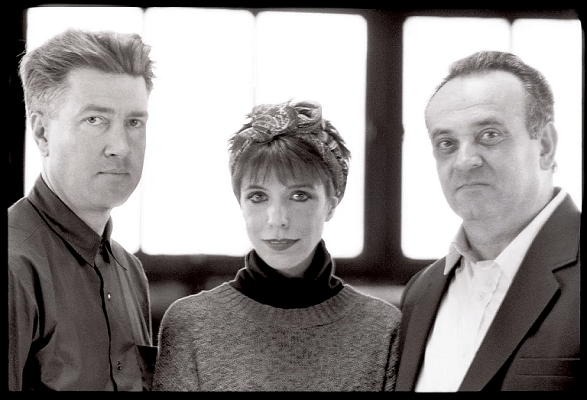
As mentioned earlier, the theme for Twin Peaks is an instrumental piece. This theme song managed to cause a sensation, winning a Grammy Award for Best Pop Instrumental in 1991. This instrumental version was taken from ‘Falling’, a song written and produced by David Lynch and Angelo Badalamenti and performed by Julee Cruise for Floating in the Night in 1989. The second song on the album, ‘Falling’ was first released in 1990, but its impact on music charts worldwide would continue into 1992. Across these three years, ‘Falling’ would chart in the Top 40 in 15 different countries, reaching the top 20 in all but two and the top 10 in eight. In the UK, the song would enter the charts in November 1990 and eventually spend eight straight weeks on the hit parade, peaking at #7 in week three before exiting the charts in January 1991. The song would also reach #5 on the Irish charts around this same time. However, the song would find its true worldwide impact in the spring of 1991. In the week ending 2nd March 1991, ‘Falling’ would feature simultaneously in the top 10 of the charts in Italy (#3). Sweden (#3), Norway (#4) and Denmark (#8). Then, the song would reach its peak by topping the ARIA Singles chart in Australia for one week in April 1991, serving as a transitional chart-topper between songs by Dimples D and Roxette. This run saw ‘Falling’ certified Gold in Australian sales after selling more than 35,000 units, an achievement it would also earn in Sweden.
The success of ‘Falling’ would also help the Twin Peaks soundtrack find popularity on numerous album charts. The soundtrack would find top-20 placings in 14 countries, in addition to #22 and #27 in the UK and US. The album, featuring ‘Falling’ and two other Julee Cruise songs alongside Angelo Badalamenti’s score, would top the Australian charts and would eventually attain Gold or Platinum sales in nine different countries (Australia, Canada, Finland, France, Netherlands, Spain, Sweden, UK, USA), selling a combined 1.04 million copies as of 2023. However, despite this musical success, Twin Peaks would eventually be cancelled in June 1991 due to declining TV ratings on ABC. Similarly, Julee Cruise’s success would be short-lived. As has been the recurring story in this article, Cruise would end up a one-hit-wonder. Her second single, ‘Rockin’ Back Inside My Heart’, also featured on Twin Peaks, would fail to find any chart success aside from a top-20 positioning in Ireland. After that, Cruise would return to recording songs for the soundtracks for Scream, CSI: Miami, Psych, House and Twin Peaks: Fire Walk With Me, the movie sequel to the TV series.
Instrumental Themes
‘Theme From MASH’ by The Mash (M*A*S*H*)
M*A*S*H and its theme tune will forever have a place in television and music history. First a 1968 book by Richard Hooker, then a 1970 Oscar-nominated movie directed by Robert Altman, M*A*S*H left its most significant impact on popular culture as a comedy-drama that aired for eleven seasons on TV between 1972 and 1983. As had been the case on the big screen, M*A*S*H, the TV show, followed the doctors and support staff stationed at the Mobile Army Surgical Hospital in Uijeongbu, South Korea, during the Korean War. During its eleven-year run, Larry Gelbart’s show would frequently rank among US television’s top 10 highest-rated shows. This level of popularity is evident in the fact that the show’s final episode pulled in 125 million viewers (a 77% audience share), a record for a television finale which will never be broken.
As mentioned earlier, a large part of M*A*S*H’s success was its instrumental theme tune. The tune, titled (trigger warning) ‘Suicide Is Painless’, was not an original composition for the TV show. The track was initially recorded for the 1970 movie by composer Johnny Mandel. Unusually for a film, Mandel was called upon by Robert Altman to produce the score for M*A*S*H before the movie had even started filming. As part of the score, Altman told Mandel that he wanted him to produce “the stupidest song ever written”, a song called ‘Suicide Is Painless’. For the song, Mandel would write the music, and Altman would compose the melody. However, the eventual version used in the film would instead include lyrics by Altman’s 14-year-old son Mike. In the film, the song was performed over the opening credits by known session musicians, The Ron Hicklin Singers and later in the movie, by US soldiers. However, when deciding the theme for the M*A*S*H TV series, show creator Larry Gelbart chose to use two instrumental versions of ‘Suicide Is Painless’. Johnny Mandel’s original melody would play over the opening credits, and a big-band version would play over the closing credits.
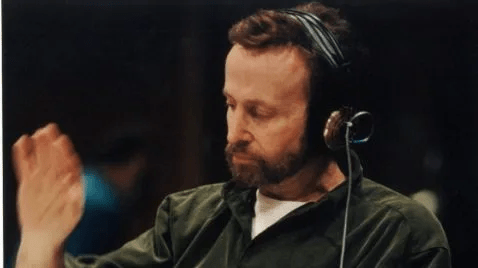
In 1980, deep into M*A*S*H’s run on television, the show’s instrumental theme tune would become a hit in the UK and Ireland. Released by CBS Records, the track (credited to The Mash rather than Johnny Mandel) would enter the UK Singles Chart at #23 on 15th May 1980. In its second week, the tune had leapt up the chart to #6. One week after that, the song titled ‘Theme From M*A*S*H (Suicide Is Painless)’ would become the UK’s No.1 single, ending Johnny Logan’s two-week run at the top with ‘What’s Another Year’. The ‘Theme From M*A*S*H’ would spend three weeks atop the UK Singles Chart before being toppled by Don McLean and his song ‘Trying’ on 21st June 1980. ‘Suicide Is Painless’ would spend three more weeks inside the UK top 20 before exiting the top 40 on 19th July, ending a nine-week run on the hit parade. In Ireland, the same pattern would emerge, with the ‘Theme From M*A*S*H’ upsetting Johnny Logan and spending two weeks on top of the Irish charts before being displaced by Don McLean.
In 1992, Welsh rock band the Manic Street Preachers would record their own version of the original 1970 version of ‘Suicide Is Painless’, using the original lyrics of Mike Altman. Released as a charity single, the song would chart in Ireland, New Zealand, Sweden and the United Kingdom. In the UK, the music would reach its highest peak of #7 but would end up as the 98th biggest-selling song of the year in the band’s home country.
‘The X-Files Theme’ by Mark Snow (The X-Files)
Considering the popularity of conspiracy theories these days, I am pretty sure that The X-Files would have been just as popular today on a streaming service somewhere as it was for Fox back in the 1990s. During its height, the show was the biggest show on Fox, drawing in more viewers than The Simpsons and ranking just outside the top 10 highest-rated shows on US television. The sci-fi drama that followed two CIA agents, conspiracy theorist Fox Mulder and his sceptic partner Dana Scully, as they investigated cases with a potentially supernatural edge, became a pop culture touchstone, spawning movies, spin-off shows and crossovers, and an increased embracing of popular conspiracy theories including the existence of aliens. By the end of its original run in 2002, The X-Files had become the longest-running science fiction series in US TV history after nine seasons and over 200 episodes. Even a short-lived revival series in the 2010s proved successful in a more mistrustful America.
One of the signs of The X-Files‘ legacy on popular culture is its unforgettable theme tune. Even people who have never seen an episode of the show know the X-Files theme. In terms of sci-fi shows, the track is now as ingrained in pop culture as the themes of Doctor Who and The Twilight Zone. Even humming or singing the tune can be shorthand to underline a peculiar situation. Back when The X-Files was at the peak of its popularity, the show’s theme became a hit on mainstream music charts.
The X-Files theme was created by series composer Mark Snow. By the time he composed the tune, Mark Snow was already a seasoned TV composer, providing music for Starsky and Hutch, The Love Boat, Dynasty, Cagney & Lacey and Pee Wee’s Playhouse. However, The X-Files marked only the second time that Snow was asked to compose a theme song for a TV show, the other occasion being for the short-lived 1977 sitcom The San Pedro Beach Bums. Five points if you’ve heard of that. When X-Files creator Chris Carter approached Mark Snow to produce a theme for his new show, he asked for “something that Boy Scouts could hum at the campfire as a scary song… something akin to The Twilight Zone“.
The X-Files theme tune comprises a keyboard bassline with an added echo effect. On a behind-the-scenes documentary on the show’s first season DVD, Mark Snow revealed that the echo effect came about by accident. After presenting several unsuccessful versions of the theme to show creator Chris Carter, Snow would put his hand down on his keyboard in frustration while an echo delay was on, which unwittingly produced the echo effect. Carter heard the echo and, impressed, asked Snow to add it to the theme. Snow duly obliged, and the rest is history. Another notable feature of The X-Files theme is the whistling melody heard throughout. According to a 2016 interview with NPR, Snow revealed that the whistling came from two sources. The first source was an old sample called ‘Whistlin’ Joe’ that could be found on a Proteus synthesiser. Also, when Snow’s wife walked in on him playing with the whistling melody, she offered to add her own whistling to “beef [the theme] up a little bit”. For the final piece, Snow would combine ‘Whistlin’ Joe’ and his wife and add it to the echoey bassline to produce a genuinely creepy, eerie and instantly iconic television theme.

Warner Music released the X-Files theme as an official single in March 1996 during the show’s third season. The instrumental track would eventually chart in the top 40 in twelve countries, reaching the top 10 in all but one. The tune would spend one week at No.1 on the French Singles Chart as part of a six-month run. The feat would almost be repeated in the UK and Netherlands, peaking at #2 behind The Prodigy’s ‘Firestarter’ and ‘Captain Jack’ by Captain Jack. Elsewhere, The X-Files theme would reach the top 5 in Ireland (#3), Hungary (#3), Finland (#4) and Sweden (#5), and the top 10 in Germany (#7) and Denmark (#10). Mark Snow’s composition would finish among the top 100 biggest-selling songs of the year in five countries (Belgium, France, Germany, Sweden and the UK), notably finishing at #9 in France and #25 in the United Kingdom. The X-Files theme would achieve Silver and Gold sales certifications in the UK and France after selling more than 200,000 and 250,000 copies, respectively.
The X-Files theme song was so popular that when Mark Snow’s original composition was leaving its mark on worldwide music charts, DJs were creating and releasing their own remixes of the track. Some of these remixes would even outperform the original theme in sales. One remix by Italian musician DJ Dado would reach the top 20 in 12 countries, including Austria, Iceland and Italy, where the original version of The X-Files theme had not even charted. The DJ Dado remix would top the Danish charts and chart near the summit in Belgium, Finland, Ireland and Switzerland. In the UK, the remix would peak at #8 at the same time that the original X-Files theme sat at #2, meaning that the X-Files theme tune occupied two of the top-ten placings on the UK Singles Chart in the week ending 6th April 1996. Another remix of the theme song by Triple X would achieve minor success in France, Belgium, New Zealand and Sweden. In Australia, however, this remix would reach #2 in June 1996, achieve a Gold sales certification (35,000 copies) and finish as the 11th best-selling song of the year.
‘Big Brother Theme’ by ElementFour (Big Brother)
The original Big Brother was an exciting and unique piece of television when it started in 1999. Based upon the oppressive figure that oversaw everything in George Orwell’s seminal 1949 novel 1984, the original series saw 12 members of the Dutch public enter a specially-constructed house closed off and isolated from the general public for 106 consecutive days, becoming ‘housemates’. Over this time, the show’s appeal came from how these ordinary people interacted with each other, with every moment captured on multiple hidden cameras. In the middle of this situation came Big Brother. Big Brother is a faceless, unseen figure who can influence proceedings in the house by setting weekly challenges or through the use of the ‘diary room’, a private room (except to the viewing public) with a single seat in which the ‘housemates’ can discuss their personal thoughts and feelings with ‘Big Brother’. Every two weeks, each housemate is asked by Big Brother to nominate a fellow housemate who they would like to leave the house. The housemates with the most nominations are put up for ‘eviction’, where a public vote decides who leaves the house. The housemates are then whittled down one by one until the voting public chooses a winner who receives a cash prize.
The first series of Big Brother would air in the Netherlands between September and December 1999. The show proved a huge ratings hit, and other countries sought to create their own versions of creator John de Mol’s idea. One of the first countries to make its own incarnation was the United Kingdom. The first series of Big Brother UK would air in the year 2000. As neither the show nor its concept had been seen outside of the Netherlands, Big Brother was a radical concept for Channel 4 to take a chance on.
For such a radical concept at the time, every element of Big Brother UK needed to immediately appeal to the British public to equal the success witnessed in the Netherlands. One of the first things TV viewers on Channel 4 would see about this unknown show was the logo (an eye) and the theme tune. For the theme tune, producers Endemol and Bazal would turn to one of the UK’s most popular DJs, Paul Oakenfold. Oakenfold had recently teamed up with fellow remixer and record producer Andy Gray to form a duo called ElementFour. Oakenfold had much success in electronic music, producing trance and techno tracks since 1980. His work had resulted in 13 appearances on the UK Singles Chart Top 40 either as himself under a pseudonym or as part of a group, including alongside Andy Gray.
For the Big Brother UK theme, Andy Gray would later say that he thought up the melody while babysitting his newborn daughter, saying he wrote the track in “three days”. Oakenfold would say of the song, “It’s not a limp piano line; it’s really quite heavy and electronic”, even saying that Channel 4’s choice to use the techno track as the Big Brother theme was a “leap of faith”.


The first series of Big Brother UK was held over 64 consecutive days from 14th July to 15th September 2000. Out of 11 housemates, Craig Phillips ended up the winner and won a £70,000 cash prize. As had been the case in the Netherlands, the brand-new Big Brother was an immediate ratings hit for Channel 4. The launch episode would bring in 3.66 million viewers, ending the week as the 4th most-watched show on Channel 4 for the week. Sixty-four days later, this number had jumped to 9.45 million viewers by the final live episode, with the top three programmes on Channel 4 that week all being episodes of Big Brother. The last episode of Big Brother would end up being the seventh most-watched TV programme on all British TV that week. The series would win a special British Academy Television Award (BAFTA) for its innovation in television. The series would then become an annual staple of British television for the next two decades.
As the public fascination with Big Brother UK increased, this interest would extend to the show’s theme song produced by ElementFour. Responding to the show catching on with the British public, Channel 4 would ask Paul Oakenfold and Andy Gray if they wanted to release the Big Brother theme as an official single. ElementFour would agree, and the ‘Big Brother UK Theme’ would appear on music shop shelves at the end of August 2000. Then, one week before the show’s conclusion, the Big Brother UK theme would debut on the UK Singles Chart at #4, ahead of songs by Robbie Williams, Britney Spears and Bon Jovi, after selling 300,000 copies in its opening week of release. In a 2010 interview with Paul Oakenfold, the Big Brother theme achieved such heights without “even being play-listed by Radio 1”.The piece would remain in the UK Charts top 20 for a further three weeks before dropping out of the top 40 on 14th October 2000, four weeks after the end of Big Brother UK‘s first series. For a TV theme that wasn’t even playlisted on Radio 1, the Big Brother theme would spend six total weeks on the UK Singles Chart. At the time of writing, the piece has sold over 160,000 copies.
Children’s TV
‘Go Go Power Rangers’ by Al Wasserman (Mighty Morphin Power Rangers)
Power Rangers is probably one of the weirdest billion-dollar TV franchises. An action TV show aimed at children, the series is a Western localisation of the Japanese Super Sentai franchise. Both shows feature a bunch of teenagers chosen by a mentor to become a superhero team, wearing different-coloured outfits and using special powers to fight and defeat villains, either through hand-to-hand combat or piloting giant robotic machines known as Zords. Since its inception in 1993, the Power Rangers franchise has comprised 29 seasons of 21 different TV series producing a combined total of over 1,000 TV episodes. However, the Power Rangers franchise would not be where it is today without the success of its first series Mighty Morphin Power Rangers. Mighty Morphin Power Rangers would air for three seasons and 145 episodes between 1993 and 1996, in addition to a feature film in 1995. The first attempt to localise the Super Sentai series to a Western audience, the show would see Jason Lee Scott (Red Ranger), Zack Taylor (Black Ranger), Billy Cranston (Blue Ranger), Trini Kwan (Yellow Ranger), Kimberly Hart (Pink Ranger) and Tommy Oliver (Green Ranger) being chosen to become the Power Rangers to battle the evil forces of Rita Repulsa and Lord Zedd among others.
While Mighty Morphin Power Rangers would appeal to kids with its bright colours, toyetic Zords and campy tone, the show needed a kick-ass theme song to hook any potential young viewers from the start. For the theme song, the show’s main production company Saban Entertainment would turn to one of its in-house composers Ron Wasserman. Wasserman had worked for Saban since 1989 and produced original music for the company’s animated series Little Shop, Video Power and Camp Candy. He had even written the theme tune for X-Men: The Animated Series, one of the most beloved children’s TV themes ever recorded. However, Mighty Morphin Power Rangers would mark the first time Ron Wasserman composed music for a live-action TV show.
As the origin story of the Mighty Morphin Power Rangers theme goes, Ron Wasserman was one day shown footage of the upcoming series, was asked to include the word ‘Go’ as a critical lyric and to have the theme song completed by the end of the following day. The next day, Wasserman had written, produced and recorded ‘Go Go Power Rangers’ all by himself, using a keyboard pre-loaded with guitar and drum sounds to create a high-energy, almost heavy metal-influenced track. He would record the music under the pseudonym Aaron Waters under the permission of Haim Saban, who didn’t want it to look like all of the Mighty Morphin Power Rangers music was written by one man.
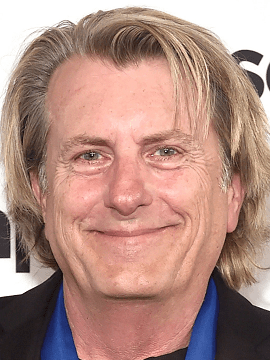
As we know now, Mighty Morphin Power Rangers would catch on with Western audiences, quickly becoming a merchandising juggernaut. One year into the show’s existence, Saban Entertainment decided to release ‘Go Go Power Rangers’ as a single in the UK and USA in time for the 1994 Christmas season. In the UK, the song would release on the major music label RCA Records. The label’s leading A&R man, a 35-year-old named Simon Cowell, would go to Saban and ask for the chance to promote the single through his label. In the years previous to 1994, Cowell had shown he had a knack for turning novelty acts into hitmakers, including puppets Zig & Zag, WWF wrestlers and Sinitta. The Power Rangers would serve as his latest challenge.
With Simon Cowell’s help, ‘Power Rangers’, credited to the ‘Mighty Morph’n Power Rangers, would reach #3 on the UK Singles chart in its opening week of release on 17th December 1994. Immediately, the Power Rangers theme was seen as a potential Christmas No.1 single, competing with Mariah Carey’s ‘All I Want For Christmas Is You’ and East 17’s ‘Stay Another Day’. However, by the time of that Christmas chart, ‘Power Rangers’ had dropped one place to #4. The song would then slowly fall down the chart after that. The Power Rangers theme would spend another three weeks in the UK top 20 and another week in the top 40 before dropping out of the UK charts at the end of January 1995, ending a six-week run.
In its brief run on the UK Singles Chart, ‘Power Rangers’ had done enough to sell over 200,000 physical copies, earning Silver certification. The song would end up the 46th biggest-selling song of 1994 in the UK, despite only being released with three weeks of the year remaining. The power of Simon Cowell had worked again.
‘Teletubbies Say Eh Oh’ by The Teletubbies (Teletubbies)
Out of all the songs on this list, who would expect the music performed by and about four differently-coloured, furry alien babies with TV screens on their bellies would come close to being the UK’s Christmas No.1 single. Well, the Teletubbies managed it as part of a two-week run at the top before being replaced by the Spice Girls on Christmas Day 1997.
Teletubbies would debut on TV screens on 31st March 1997. Aired in the early mornings, the show was aimed at pre-schoolers, providing an educational yet entertaining half-hour for those developing minds. The show followed Tinky Winky, Dipsy, Lala and Po, the titular Teletubbies as they interact with the world around them and their fellow creatures, including the Voice Trumpets and their anthropomorphic vacuum cleaner Noo-Noo, make ‘Tubby toast’ and ‘Tubby custard’, show things on their TV stomachs and create magic. At the same time, a narrator explains the whole experience to the infant audience. Teletubbies would be a hit with young audiences, lasting five series and 365 episodes between 1997 and 2001, before returning for a four-series revival between 2015 and 2018. The show would even bring in over £1 billion in merchandise sales, part of which came from physically selling copies of the Teletubbies theme song in December 1997.
Heading into Christmas 1997, Teletubbies dolls were set to hit the market and expected to sell big. To capitalise on the show’s popularity, the BBC would release a remixed version of the show’s theme song ‘Teletubbies say Eh-oh!’. This new mix would include the performances of popular nursery rhymes like ‘Baa Baa Black Sheep’ and ‘Mary Mary, Quite Contrary’ in addition to the regular lyrics. The Teletubbies song was written by series co-writer Andrew Davenport and Andrew McCrorie-Shand, who had already produced the musical scores for other preschool programmes like Rosie and Jim, Brum and Tots TV. ‘Teletubbies say Eh-oh!’ would be released through the BBC’s Worldwide Music label on 1st December 1997. From an early stage, this TV theme was earmarked as a potential Christmas No.1 in 1997 and would receive considerable help from major record companies, most notably from Simon Cowell. Fresh off getting three UK No.1 singles out of acting pair Robson Green and Jerome Flynn, Cowell would agree to sign the Teletubbies to his label for £500,000, aiming to equal or even better the success he had achieved with the Power Rangers three years earlier..
‘Teletubbies say Eh-oh!’ would sell 317,000 copies in its first week of release, knocking the Children in Need charity single ‘Perfect Day’ off the top spot to become the UK’s No.1 song on 13th December 1997. The song would retain the top spot the following week, leading bookmakers to make it a 6/4 favourite to earn the Christmas No.1 spot for 1997. However, the song would face intense competition from a much bigger juggernaut known as The Spice Girls, who was set to release their new single ‘Too Much’ in time for Christmas. The popularisers of ‘Girl Power’ had achieved the Christmas No.1 with ‘2 Become 1’ in 1996 and were hoping to repeat the feat the following year. In a battle between who interested young girls and their parents more, the Spice Girls would eventually win out, with ‘Too Much’ taking the top spot on the week ending 27th December 1997, with the Teletubbies finishing 2nd. After losing the top spot, the Teletubbies would remain on the UK charts for another seven weeks, finally exiting the top 40 in February 1998. However, in a Christmas season where the Teletubbies dolls had finished as the most-popular toy, they had undoubtedly left their mark on mainstream British culture in the latter half of 1997.
Elsewhere, where the song’s promotion was handled by record industry giant EMI, ‘Teletubbies say Eh-oh!’ would also chart inside the top 20 of the charts in Ireland and the Netherlands and was at one point the 10th most-popular song in Europe.
‘Teletubbies say Eh-oh!’ would eventually sell 1.3 million copies, being certified double-platinum by the British Phonographic Industry (BPI). The song would finish as the 5th biggest-selling track of 1997 and remain on the year-ending chart for 1998 at #98. In addition, the song’s sales make ‘Teletubbies say Eh-oh!’ the 125th biggest-selling song in UK chart history. Pretty good for a show aimed at pre-schoolers.
‘Can We Fix It?’ by Bob the Builder (Bob The Builder)
Three years after the Teletubbies, another theme song from a BBC preschool TV show would actually nab the Christmas No.1 spot. On 23rd December 2000, ‘Can We Fix It?’ the theme to the show Bob the Builder, would reach the top of the UK Singles chart, ending the three-week run of Eminem’s ‘Stan’ at #1. What a whiplash of mood and emotions.
Bob the Builder is a show about a contractor named Bob, his friends, workmates and his collection of anthropomorphised construction vehicles. In each episode, Bob and his crew take on and complete a job in the town of Bobsville. Along the way, Bob and his fellow cast members teach the young audience valuable life skills, including socialisation, cooperation and conflict resolution. The show began airing on Children’s BBC (CBBC) in April 1999. By the time the show’s theme song inexplicably became a chart hit at the end of 2000, the show had completed three series and 39 episodes. In fact, when ‘Can We Fix It?’ became popular, the show was in between series, with the previous one ending in September 2000 and the next not beginning until January 2001.
Bob The Builder‘s theme song ‘Can We Fix It?’ was written by Paul K. Joyce, a veteran composer for children’s TV shows. By 1999, Joyce had already produced music for Noddy’s Toyland Adventures (1992-99), Knight School (1997-2000), Diggit (1998-01) and The Worst Witch (1998-2000). The lyrics to ‘Can We Fix It?’ are pretty simple. The chorus mentions Bob the Builder’s name, followed by the show’s main call-and-response catchphrase. Bob says, ” Can We Fix It?” his crew (and the listening audience) respond affirmatively with “Yes We Can!”. The song’s four-line chorus takes up most of the song’s 3:09 runtime, while the song’s two verses describe the show’s other characters and how Bob and his team work together to ‘get the job done’. When he first wrote it, ‘Can We Fix It?’ was just another job for Paul K. Joyce. One year later, Joyce unwittingly penned the final number-one of 2000. The vocals on the song were performed by Bob’s regular voice actor Neil Morrissey. Before Bob the Builder, Morrissey had found fame on the BBC sitcom Men Behaving Badly, one of the most popular British sitcoms of the 1990s. Now, he would have his first hit single as a singer, playing an animated builder.

On 4th December 2000, the BBC released ‘Can We Fix It?’ as a single through its BBC Music label. The song would debut at #2 on the UK Singles Chart behind Eminem’s ‘Stan’. Such a strong debut would immediately put Bob and Co in the race for Christmas No.1 along with ‘Stan’, and the double threats of Westlife’s ‘What Makes a Man’ and Kylie Minogue’s ‘Please Stay’, both of which were set to debut on the Christmas Top 40. Eminem was the incumbent No.1 holder, Westlife had the Christmas No.1 single the previous year, and Kylie’s last three singles had charted in the top two spots on the UK chart, so Bob had quite the job on his hands to somehow claim the top spot ahead of these music superstars.
The week before Christmas, ‘Can We Fix It?’ would overhaul ‘Stan’ to reach the UK chart summit. It was now a question of holding onto the top spot in time for Christmas despite serious competition. However, despite this competition, Bob The Builder would remarkably claim the UK’s Christmas #1 spot for 2000, with Westlife having to settle for a rare #2 spot. Those young kids and their badgered parents did their job. After such a feat, ‘Can We Fix It?’ would end 2000 and begin 2001 as the UK’s No.1 song, sealing a third consecutive week at the top in the first week of January before being replaced by Rui Da Silva’s ‘Touch Me’ on 15th January 2001. Following its chart-topping exploits, ‘Can We Fix It?’ would remain on the UK Singles Chart until the end of February, finishing 11 weeks inside the Top 40.
The Bob the Builder theme song would not only be a hit on the UK music charts. Later in 2001, the song spent one week as the No.1 song in Australia, peaked at a creditable #3 in Ireland and was, at one point, the 6th-most popular song in Europe. The sales of ‘Can We Fix It?’ would see the song end up as the biggest-selling song on the UK charts across the whole of 2000, despite being released in December. In 2001, the song would appear on the Top 100 best-selling singles charts for Australia (#9), Ireland (#67), the UK (#72) and Europe (#90). Certification-wise, the Bob the Builder theme tune would go Platinum in the UK and double Platinum in Australia, selling 700,000 copies across the two nations. In its home country, the song would end up as the 10th most popular song of the 2000s.
Unlike many artists on this list who earned chart hits through TV theme songs, Bob the Builder would, unbelievably, not end up as a ‘one-hit wonder’. In September 2001, BBC Music released a second Bob the Builder single to the public. This follow-up song was a reworked version of Lou Bega’s 1999 No.1 hit ‘Mambo No.5’. In this version, Paul K. Joyce wrote new lyrics more relevant to Bob and his show, with lines about jobs that needed doing on the construction site. Most notably, the women’s names from Bega’s version had been replaced by building materials and objects, including timber, saws, roads, roads, concrete and sand. This new version of Mambo No.5 would be released on 3rd September 2001 and would debut at the top of the UK charts, displacing Uncle Kracker’s ‘Follow Me’. This run at the top would only last a week, however, before being overhauled by another reworking of a classic song, Dj Otzi’s version of the 1960s song ‘Hey Baby’. Bob the Builder’s ‘Mambo No.5’ would remain on the UK charts for nine weeks, including five in the top 10. The song, like its predecessor, would also chart highly in Australia (#2) and Ireland (#4) and end up on the year-end Top 100 charts for all three countries. The song would eventually sell 400,000 copies in the UK (Gold) and 70,000 in Australia (Platinum).
The combined successes of ‘Can We Fix It?’ and ‘Mambo No.5’ would lead to the release of Bob the Builder: The Album. The twelve-track album would top the Australian album charts and reach #4 in the UK Album charts, as well as being a minor hit in New Zealand, Ireland and Belgium. All this success spawned from a theme song written for a stop-motion animated TV show about a builder and his crew. Remarkable.
 forgotten-media.com